The Pitt
Immersed in the Moment
An interview with Erdem Ertal, SOC and Aymae Sulick, SOC
By David Daut
In just two seasons, The Pitt has already entrenched itself as something of a cultural institution. Despite airing on the HBO Max streaming service, the series is structured more like an updated take on network medical dramas, with longer seasons, a weekly release schedule, and—at least so far—regular intervals between seasons. The characters of Dr. Robbie, Dr. Langdon, Nurse Dana, and the hospital’s rotating roster of resident and student doctors have captured the zeitgeist in a way that is increasingly uncommon in today’s fractured media environment.
Following their SOC Camera Operator of the Year nominations for their work on season one, Camera Operator had a chance to sit down with A camera and Steadicam operator Erdem Ertal, SOC and B camera operator Aymae Sulick, SOC to talk about their work on the series; how the style of the show evolved between seasons, working around both intimate performances and elaborate special effects, and adapting to the series’ specific visual language that immerses the viewer in the world of “the Pitt”.
Ten months has passed since the Pitt Fest shooting and the ensuing nightmare in the Pittsburgh Trauma Medical emergency department, and the staff of the ED is still struggling to deal with the aftermath in their own ways. Dr. Robbie is about to leave on a motorcycle sabbatical that he’s cagey about whether he intends to return from, Dr. Langdon is back after his stint in addiction recovery, and Nurse Dana has developed something of a hair trigger in the wake of her attack by a patient. On top of all of that, it is the fourth of July—a notoriously busy day for emergency rooms—and as a wave of cyberattacks cripples other hospitals in the area, the Pitt is forced to take their computer systems offline and go fully analog. The Pitt is created by R. Scott Gemmill and stars Noah Wyle, Patrick Ball, Katherine LaNasa, Supriya Ganesh, Fiona Dourif, Taylor Dearden, Isa Briones, Gerran Howell, Shabana Azeez, and Sepideh Moafi.
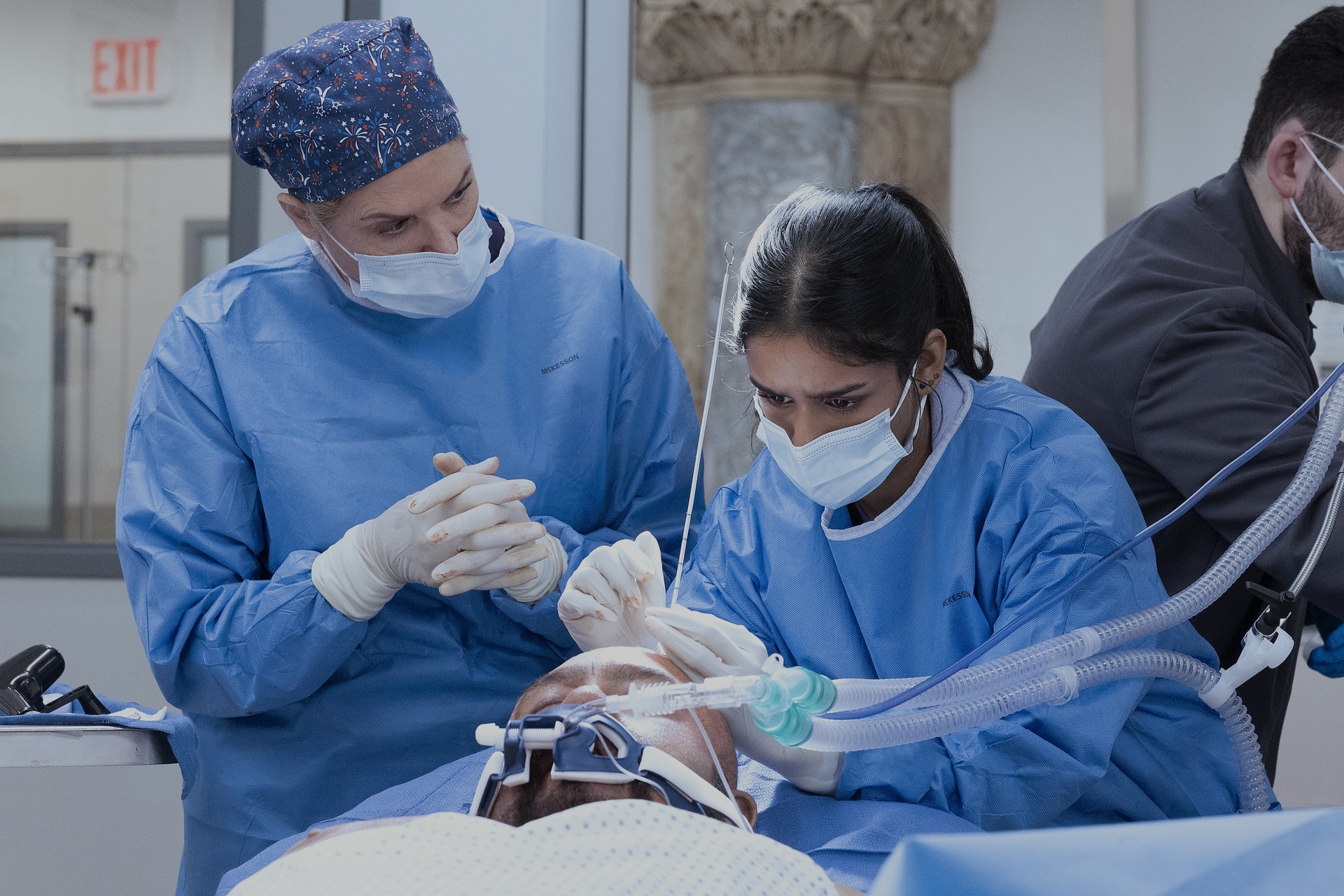
Camera Operator: At a recent event promoting the series in the U.K., Noah Wyle talked about the specifics of the visual language of The Pitt—mostly using 50 or 60mm lenses to replicate the field of view of the human eye and shooting things almost entirely at eye level so the audiences feels like they are right there with the characters. Can you talk a little bit more about how you work within the visual language of this series as camera operators?
Erdem Ertal: The camera package we use is the ALEXA Mini LF with Angéniuex Optimo primes. Our go-to lens has been the 50mm for almost everything we shoot—especially the tracking shots when we’re leading and following the characters through the hospital. We use 50mm as our wide pass, and we go tighter from there. The 75mm is used for a tighter pass and coverage. We also carry longer lenses like the 135mm and 180mm, but those barely come out—like in tableau shots, or compressed wide from the nurse’s station all the way across the emergency room to a behavioral room.
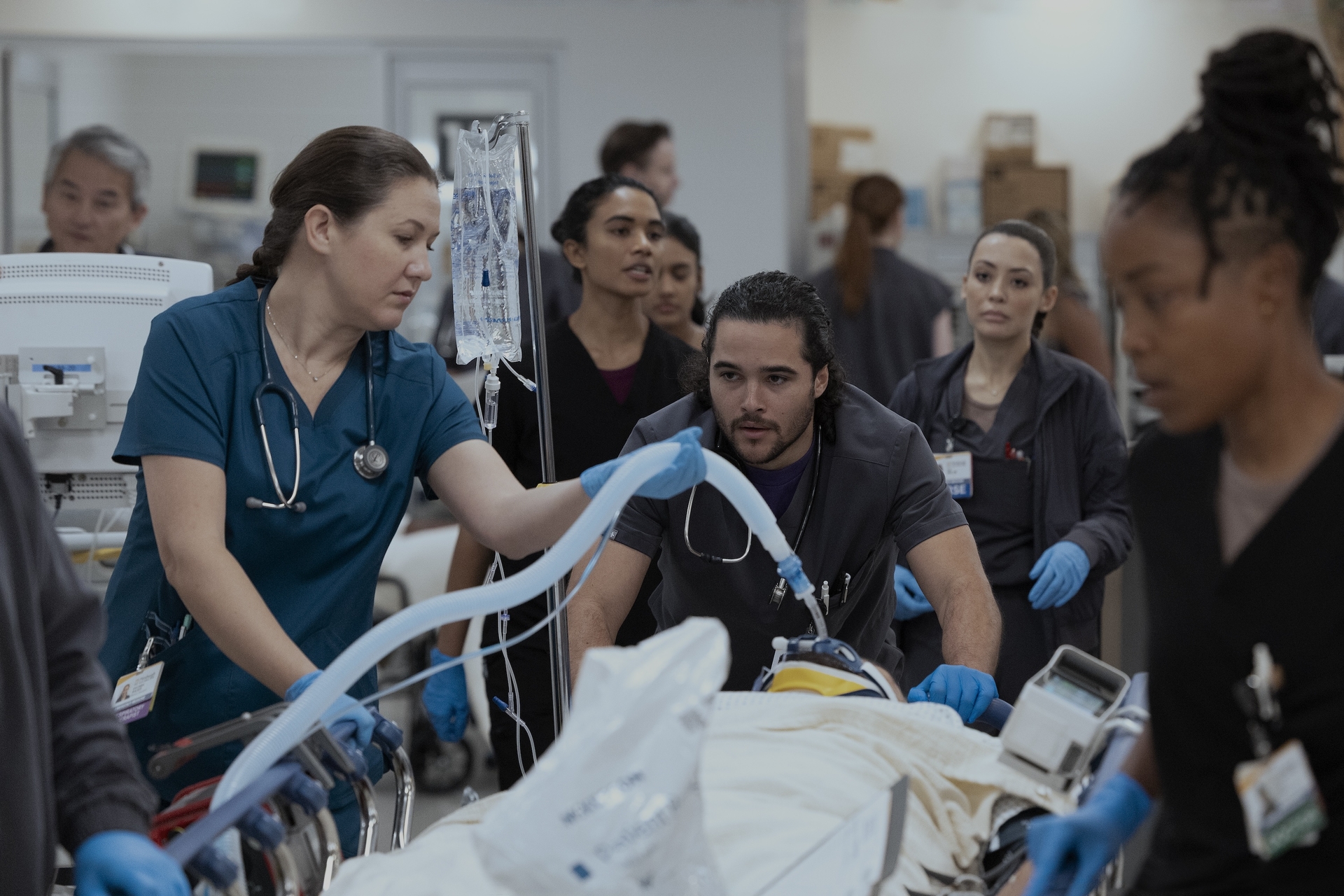
The 60mm has become my favorite lens. It’s a nice in-between range and used effectively when we cover a scene in one size, saving time without shooting many sizes. It allows me to get coverage on an OTS while allowing Aymae to achieve her shot without me breaking her frame. Yet, the 50mm is the staple, and camera is placed at eye level or just below, close to the actors, to give it that feel of being immersed with them. The goal is to always feel like we are in their perspective.
Aymae Sulick: With any of those lenses and being on a full frame camera, we are really in the middle of things. That’s part of it: feeling like the camera is invisible, because it’s almost as if the audience is there watching what’s happening. It’s not a distant, long lens observing from afar; you’re really feeling it all move around you by being in that close with these lenses.
On B camera, I actually wear a zoom. It’s the Angénieux Optimo Ultra Compact, which goes from 37 to 102mm. As much as I can, I stick to those same lenses that are part of our language. Sometimes if Erdem is doing something like a long walking move, I can use the zoom essentially as a variable prime. For example, I can start on a 50 for a two shot, then go run over and pop into a 75 to get an over at the end of the move. That flexibility is really handy for the kind of shots that the B camera is doing.
Ertal: And even though we have the zoom, you’ll never see zooming within the shot. This is to protect the look of the show. But it gives you flexibility to start a little wider and then punch in to resize for the second or third part of the scene. Sometimes it only works for the beginning, or end of the scene. At times only for the middle.
CO: Aymae, you talked a little bit about the feeling of the camera being invisible and making the audience feel like they’re existing in this space with all of the chaos surrounding them. Along those lines, I know there are a fair number of long takes throughout the series, but they’re almost never big, flashy oners that draw attention to themselves. They are much more invisible, like you said. As camera operators, how do you both balance the camera being an active participant in this world and still having it feel invisible to the audience?
Sulick: Erdem is one who really does those long shots, but I’ll just say that it’s really about following the story in the most natural way possible. It’s partially built in as the directors are doing their blocking. Coming in, they know that this is our style, so they’re doing the blocking with that in mind. And JoJo [director of photography, Johanna Coelho] will suggest things if needed. It’s really designed for scenes to flow and make the transitions as natural as possible from one story to another.
It’s just like a human eye—if you were standing there, what would you watch? That’s why it doesn’t call attention to itself. It just feels like what you would naturally turn your head to look at. I think that’s a really special thing about shooting our show.
Ertal: At times, and depending on the blocking, we’ll string one, two, or even three scenes into a moving master. We lead the actors through the full scene looking one way, then come back to cover it by following them from the opposite direction. What makes it invisible is really the story design, the dialogue, and the character actions. It’s not only how it’s written, but also how it’s blocked that avoids any dead space. For example, as we’re following the characters—they may not be saying anything, but what are they looking at? We pan to see what they see. It could be another character doing an action in the background. We then pan back to the character we’ve been following originally. Even though there’s no dialogue, there’s always something happening, usually highlighting a story point or a detail that will play later in the scene or episode. Nonverbal language translates well visually. It can be seamless when it’s written that way, the blocking makes sense, and we do our job as operators to keep the camera in the right place at the right time.
Sulick: It’s actually kind of funny, because designing it to be invisible makes it seem very simple, but I think people don’t realize how much actually goes into making it feel that way. The planning, the timing, and the background coordination that goes into the process is a lot.
Ertal: Yeah, the timing is a huge factor, because everything has intent and purpose in our shot design. From the focus racks, foreground to background, to the movement of the camera following the dialogue, getting the lines, it’s always active. The camera is always active by design.
CO: Along those lines, how much rehearsal and prep time do you get on average for these episodes?
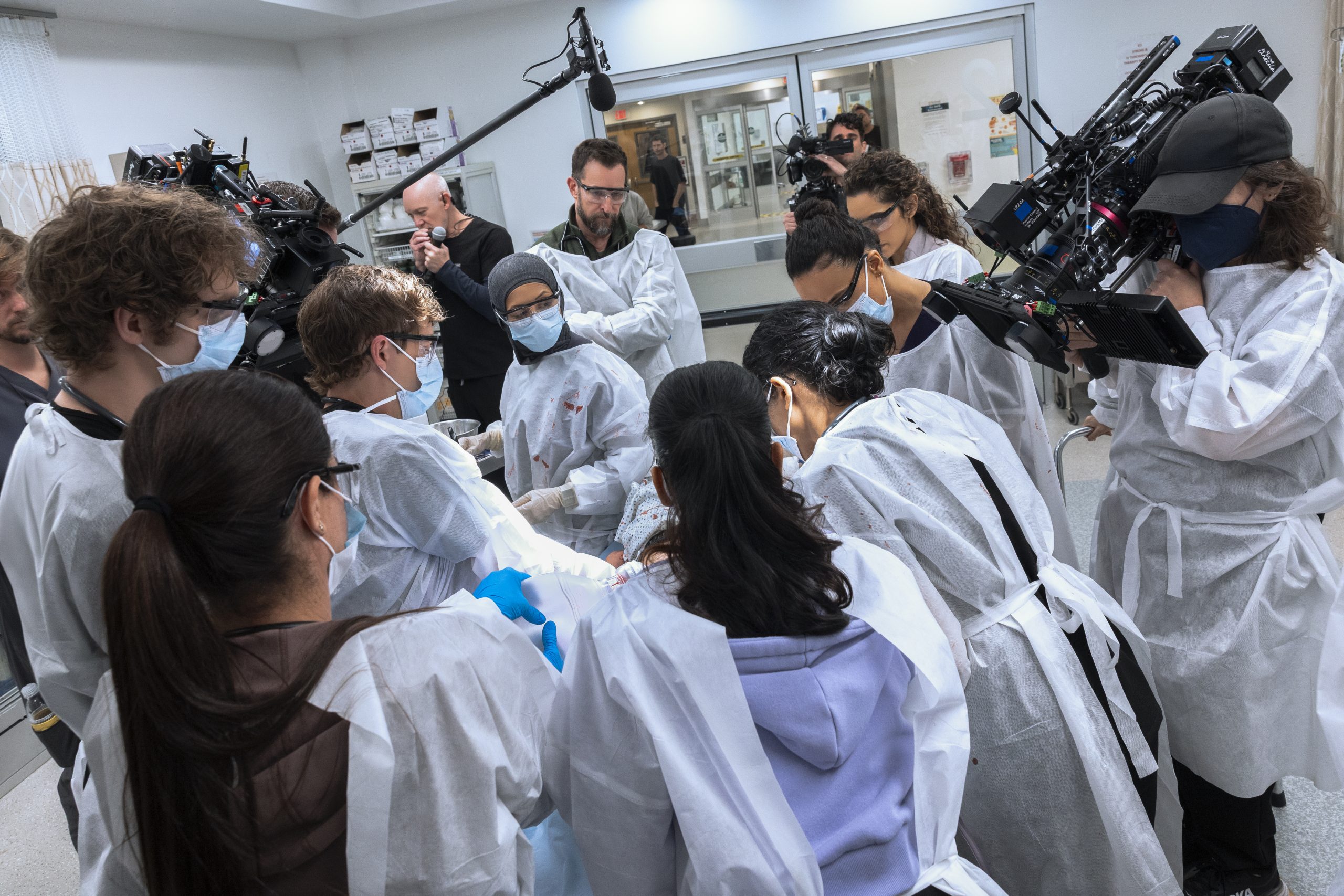
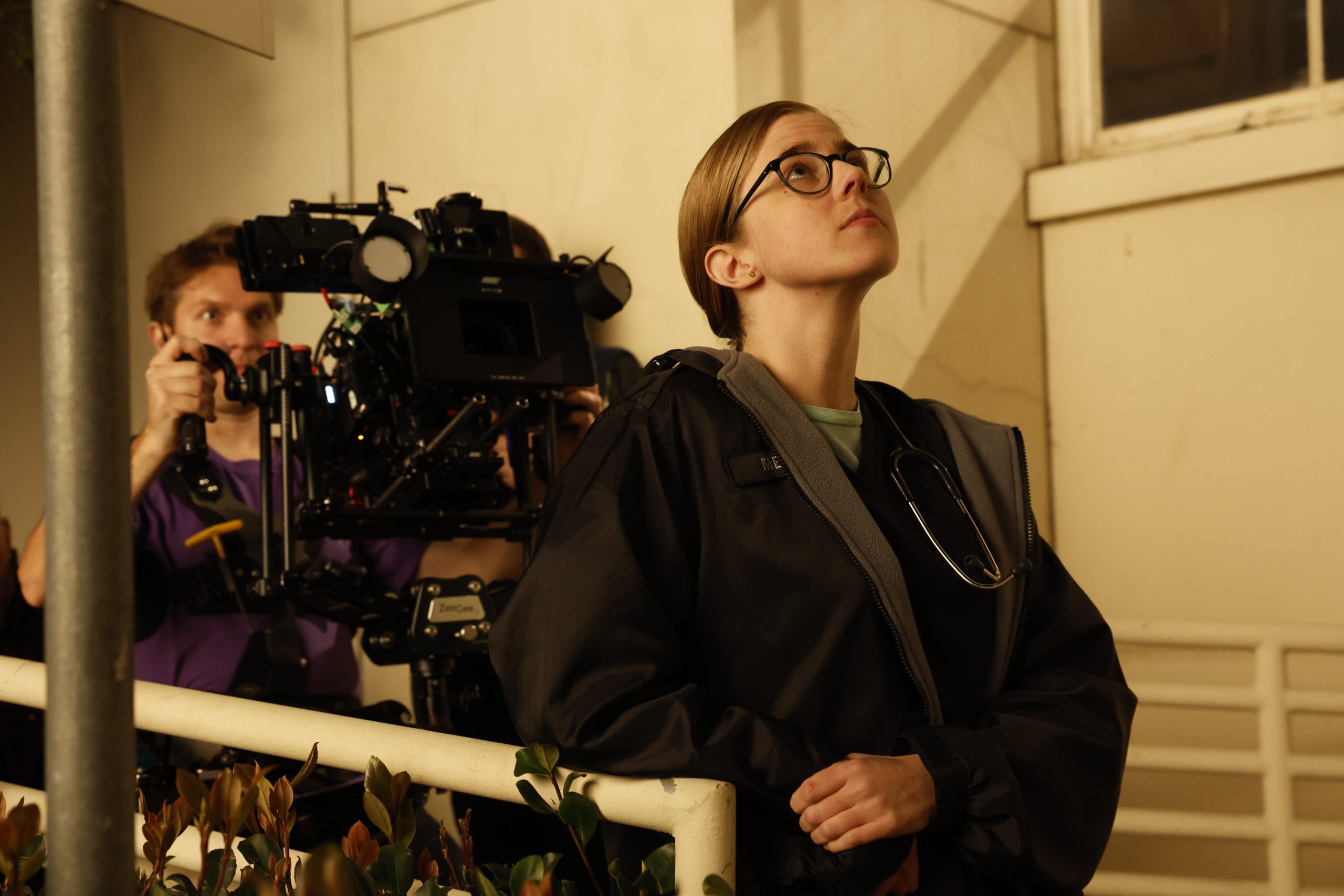
Ertal: We get the script and the sides on the day. With other shows there might be a shot planned where you’re bringing in specialty equipment and you have time to prep for that. With The Pitt, we have a formula that’s limited to our shoulders and the ZeeGee, which pushes us to get creative and resourceful with the only tools that we are allowed. We don’t have dollies, sliders, or remote heads; neither jibs nor cranes in the hospital.
As far as prep, it’s just reading the sides over and over again, making sure we have the lines down, knowing who’s talking, when to be on which character, and then many things evolve on the day. Just after private rehearsals, we talk through it with the director and DP and have a chance to suggest anything that would help with the storytelling through lens choices and camera movement complementing the blocking. Most times it’s just following the action. It’s more of a reactive process. They don’t always include us in the private rehearsals, so when we’re coming in, it’s go, go, go, and we have to be ready to create something on the fly. That’s part of the spontaneity of the moment, catching things live in a way that feels kind of like a documentary. Seeing it for the first time, responding in real time. It then evolves from there, and becomes fine-tuned the more takes we do.
Sulick: Also, we’re not just getting the script for the episode we’re filming. They also try to get us what they can in advance for the next episodes, so we know both where the story is coming from and where it’s going, and we really understand what’s important and what the dynamics are between characters. We have that in mind while we’re covering these scenes, so we know what to look out for.
CO: When we last spoke before the Camera Operator of the Year awards, we mainly focused on episode 12 from the first season, which was the big, dramatic turning point of that season. By comparison, season two doesn’t have a big ‘twist’ in the same way. Instead, it follows the slow burning internal crises of multiple characters as they’re slowly pushed to their breaking points. With this more introspective angle for season two, how was this season different for you as camera operators?
Ertal: Honestly, it felt like we were continuing from where we left off. We hit the ground running, and we had the system and style in place, so we just continued on with that momentum. I agree that the stakes weren’t as high externally, but it was definitely more about internal battles with the characters this season. A lot of times we’re right there with them, and with the lenses that we use—the 50mm, the 60, the 75—we’re staying close with their perspective and immersed with their inner struggles.
The style hasn’t changed much at all other than on a technical level, JoJo was doing more iris pulls with lighting changes this season, but it’s so subtle you wouldn’t know it. All the fine tuning made spatial transitions even more seamless.
Sulick: During the first season, we had a third camera and operator when scenes got more chaotic for a couple episodes. We never used three cameras at once this season, but the big change for us was that we had an additional A operator, Daniel Fritz, so Erdem and Daniel could alternate.
Ertal: Season one was very physically demanding. It required a lot of stamina, and by the end of it I was fatigued and anguished. Johanna Coelho was adamant about having an additional, alternating A operator to help relieve me. Daniel Fritz came on board and we would trade off scenes, so every time I’d come back in, I’d be fresh. It’s physically demanding wearing the ZeeGee rig on the body for a 10 hour day. Even though we have shorter days than most productions—usually 10 hour days or less—it’s non-stop. There’s not really time for lighting mode; lighting mode happens simultaneously while we’re rehearsing, so it feels like there are no breaks.
CO: In terms of working with the actors, what is it like when you are in these more intimate scenes with these with these performers and with these characters?
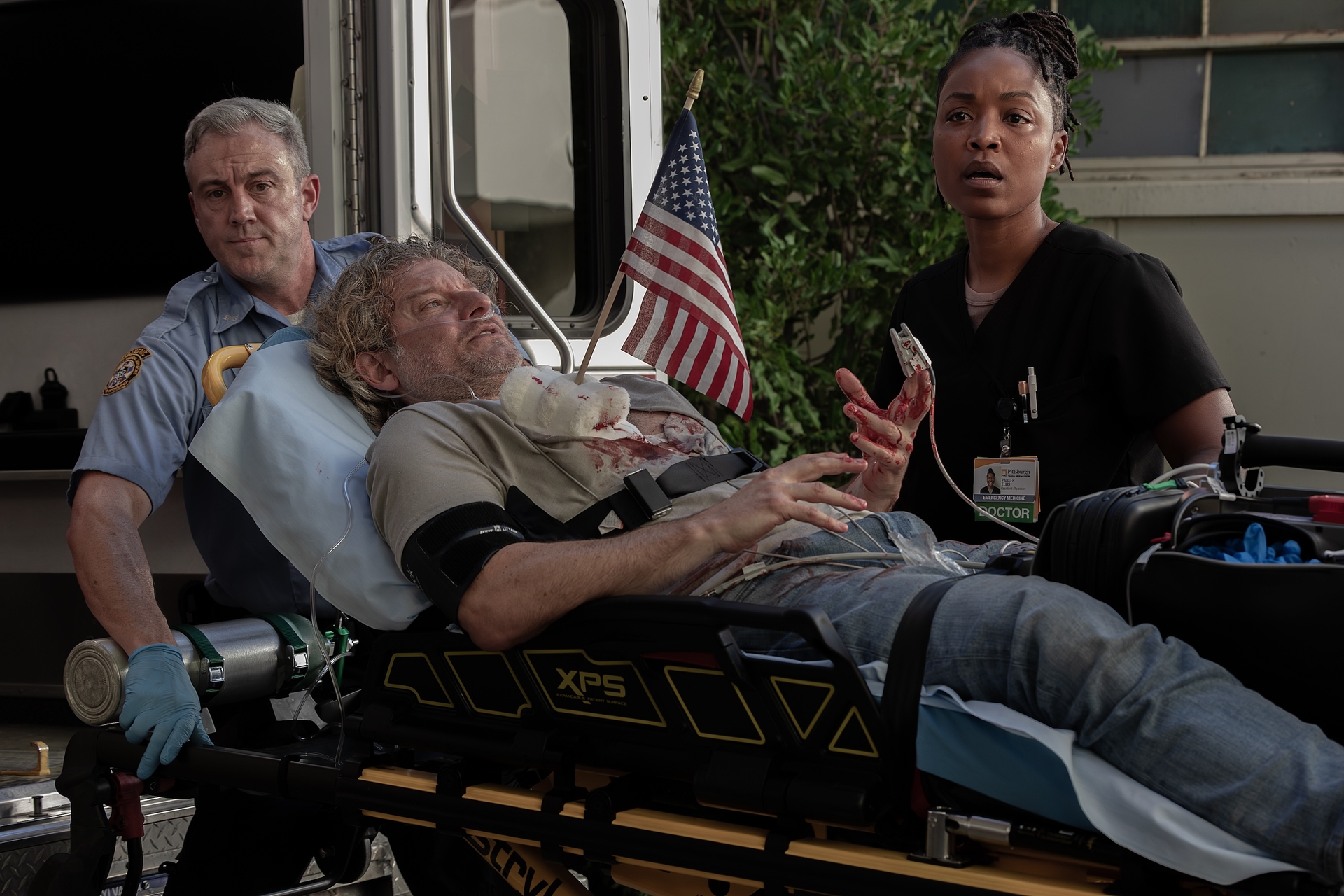
Ertal: Playing into those subtleties, we don’t want to distract the actors from the work, so we do our best to make it as seamless as possible. The other thing is, given the nature of the show, we don’t really use marks. So, even if the actors make a choice to step in a different spot than they did in the rehearsal, we can adjust without over correcting them, without disturbing their performance. We let them live in that space and move around freely because we can adjust. That’s the biggest thing with any performance throughout the season.
Thinking about all the characters and stories that we’ve had throughout this season, Roxie, the patient with lung cancer, stands out to me. Just being close with them in that story. Like I said, it’s more of a reactive process; we’re just part of the audience, and we’re right there.
Sulick: There’s also an element of trying to be protective of the actors’ space and the energy that they’re bringing. Sometimes crew may be moving something or doing other prep to get us ready to shoot, so it’s about making sure that we’re all on the same page of being a little more quiet, a little less distracting to really let the actors be in their head space.
One of the things I like about the more intimate story lines versus the constant action is that instead of following action, we’re following emotion. Sometimes we will stay on a character’s face as they’re watching what is happening rather than having the shot show the things happening. There’s something really nice about having that sort of breathing room and getting to sit with them. For B camera, there are often times I do what I will call “swingles,” where there are two people interacting, and I’m panning back and forth between them. I have to be very tuned into the performances to follow the emotional flow and not simply chase lines. With these kinds of shots, it feels like a real privilege to be that close and be able to dial into the energy of a scene.
CO: On a totally different note—and this is maybe a little bit silly, but I do have to ask: I am a big horror movie guy, so I have a pretty high tolerance for this stuff, but I watch the show with my girlfriend, and she tends to watch a lot of this show through her fingers. I’m taken to understand that’s not an uncommon reaction for people who enjoy this show. What is it like for the two of you shooting the special effects scenes on this show in all of their gory glory? What are the logistics of that, and do you ever get grossed out on set?
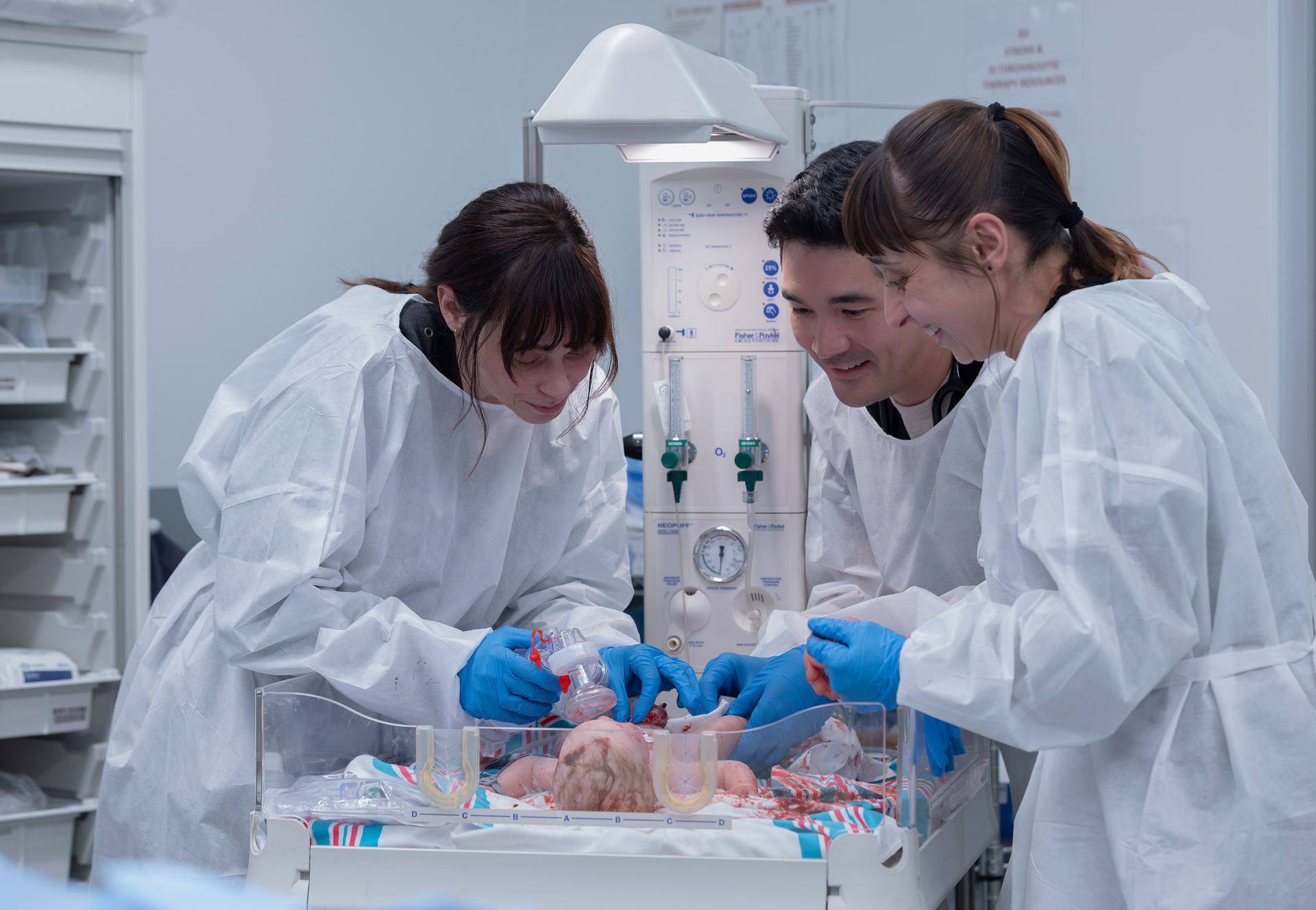
Ertal: It’s amazing what the special effects and makeup team does—how detailed they get and how realistic they make the prosthetics. It can be gruesome when the bodies are cut open revealing the insides. In season one we had a burn victim where their whole body head to toe was covered in make-up and prosthetics. That one took me time to get comfortable with because it looked so real it was so off-putting seeing it for the first time. It’s wild. I guess this show has changed me in a way where my tolerance for blood has gotten higher. I used to faint if I saw myself bleed. I remember passing out while I was getting my blood drawn for labs when I was younger. I couldn’t even look at the blood yet alone the needle prick. Now, just a month ago, I did a blood draw for my labs—and they took four tubes of blood, and I was totally fine, I watched the whole thing go down without fainting.
Seeing so much of it, we kind of get desensitized over time. And, because we do multiple takes, we’re not just seeing it once. We see it over and over again.
Sulick: It all looks very real. When they have a heart beating or the lungs breathing, it tricks my mind sometimes. At one point, they had almost a whole prosthetic body that they made with the cast of an actor, and I would walk into the room and not be able to tell if that was the real person or not. It’s genius what they can do, and very little has to be done in post. It looks on screen what it looked like when we were filming. I was the kind of person who would be watching things like this through my hands, and seeing how it’s done has definitely increased my tolerance.
CO: Aside from—or potentially including—the special effects sequences, what are some of the moments from both seasons of the show that stand out for each of you as being either particularly challenging or especially memorable?
Ertal: There’s a Grip Trix step on and step off move in season one where Mel is picking up her sister from a nursing home. We started off on the ZeeGee as they were leaving the building. We pulled them out of the building, stepped on the Grip Trix as they continued to walk along the sidewalk for a block, then turned the corner and walked another block. Then, they entered the parking lot where the ZeeGee stepped off the Grip Trix and continued to follow them to Mel’s car where it ended in a wide. Unfortunately, they didn’t use the whole scene in the final edit. We were outside of the hospital with more gear and larger lighting setups because it was a night exterior.
Sulick: I remember, there was a five page trauma scene in season two, and I was nervous about trying to remember all of it before shooting. We’re basically memorizing the order of what’s happening and whose speaking so that we can just flow with the scene and not force it to get broken up with cuts. I think we did a really good job with it in the end, but it took a lot of mental prep and stamina.
Then there are a few different, more emotional things that stick out because of performance. In season one, there’s the story of the father with dementia dying with his children in the room, and we were just right there, experiencing all of those emotions because we’re in the middle of it. Those things stick with me the most.
Ertal: Another memorable time on set that stood out was when Aymae and I both got to go to Pittsburgh in season two. We had all the gear. Steadicam, remote head, jib, drone, and a process trailer with the motorcycle for the opening sequence in the first episode. That was fun. The times when we’re outside of the hospital always stand out to me, because we’re inside the hospital almost all the time.
Filming a night exterior on top of the rooftop in Pittsburgh was exciting and memorable as well. Getting to capture helicopters landing on the rooftop of a live working hospital was another highlight.
Sulick: Following the motorcycle across the bridge in Pittsburgh was definitely memorable. Any of those things that are different than what we normally do. Operating the wheels for the jib shot on the roof of the hospital and getting to use a different skillset stands out for me.
Ertal: And I have to say again, shout out to Dan Fritz for coming on board with us. Season 2 was fantastic, and he was a wonderful addition. Dan did some great work with us and was a real team player.
Sulick: And we have to mention our grips because they keep us safe, and we could not do any of this without them. And Jojo, of course, for the vision she had in designing this style that is so fun, and for inviting us to help execute it. It’s a truly great show to be part of.
Ertal: We had a great team. Shout out to our first ACs, Kirsten Celo and Jacob Depp. To our wonderful second AC’s, Peter DePhilippis and Kellsie Domnitz. Our amazing grips Dan Preiser, Chris Cotterman, and Kevin Hites, who had our backs throughout the last two seasons. They are the backbone of all the work we do. Every move is a collaboration. I thank you all.
BEHIND-THE-SCENES
Select Photo for Larger View
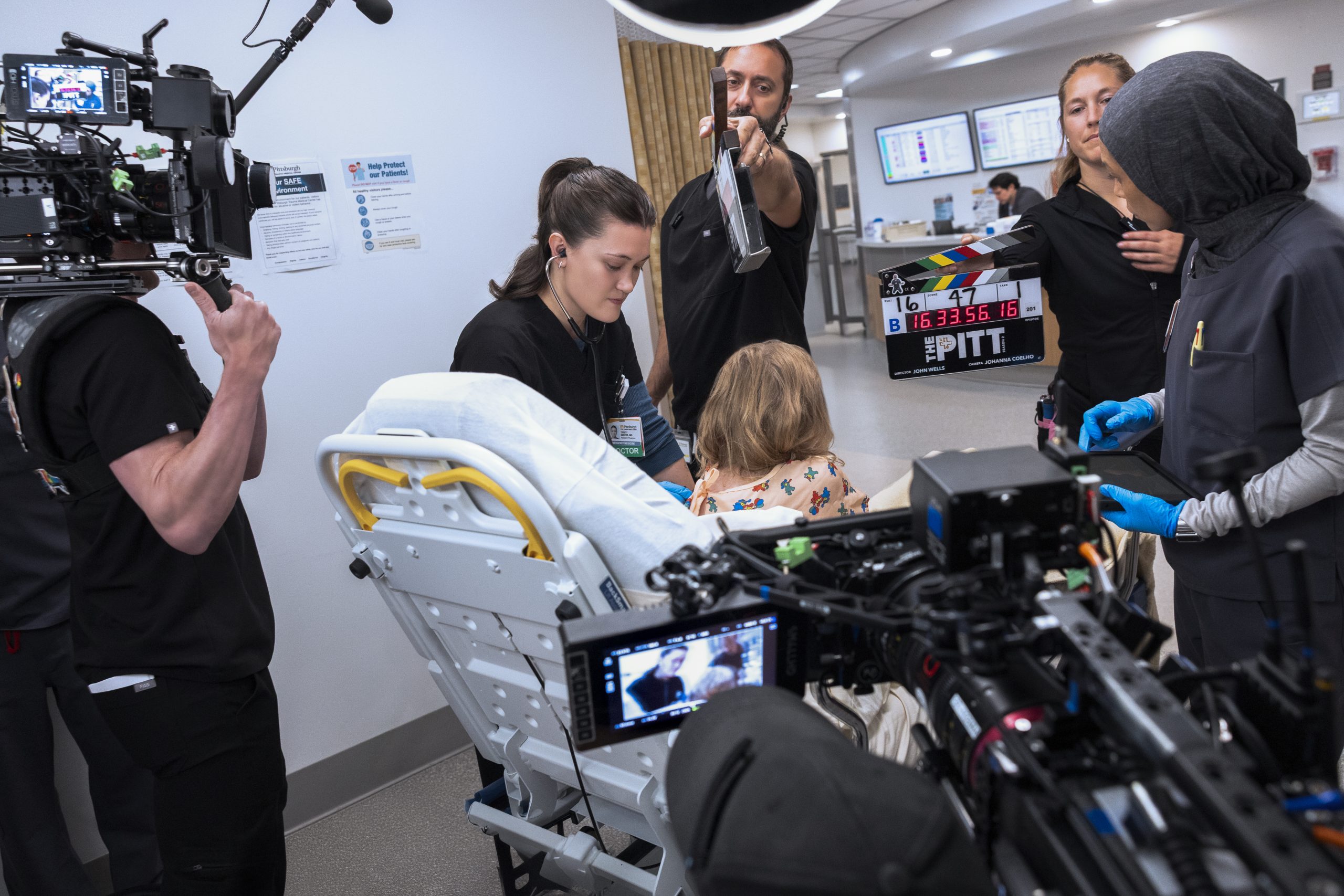
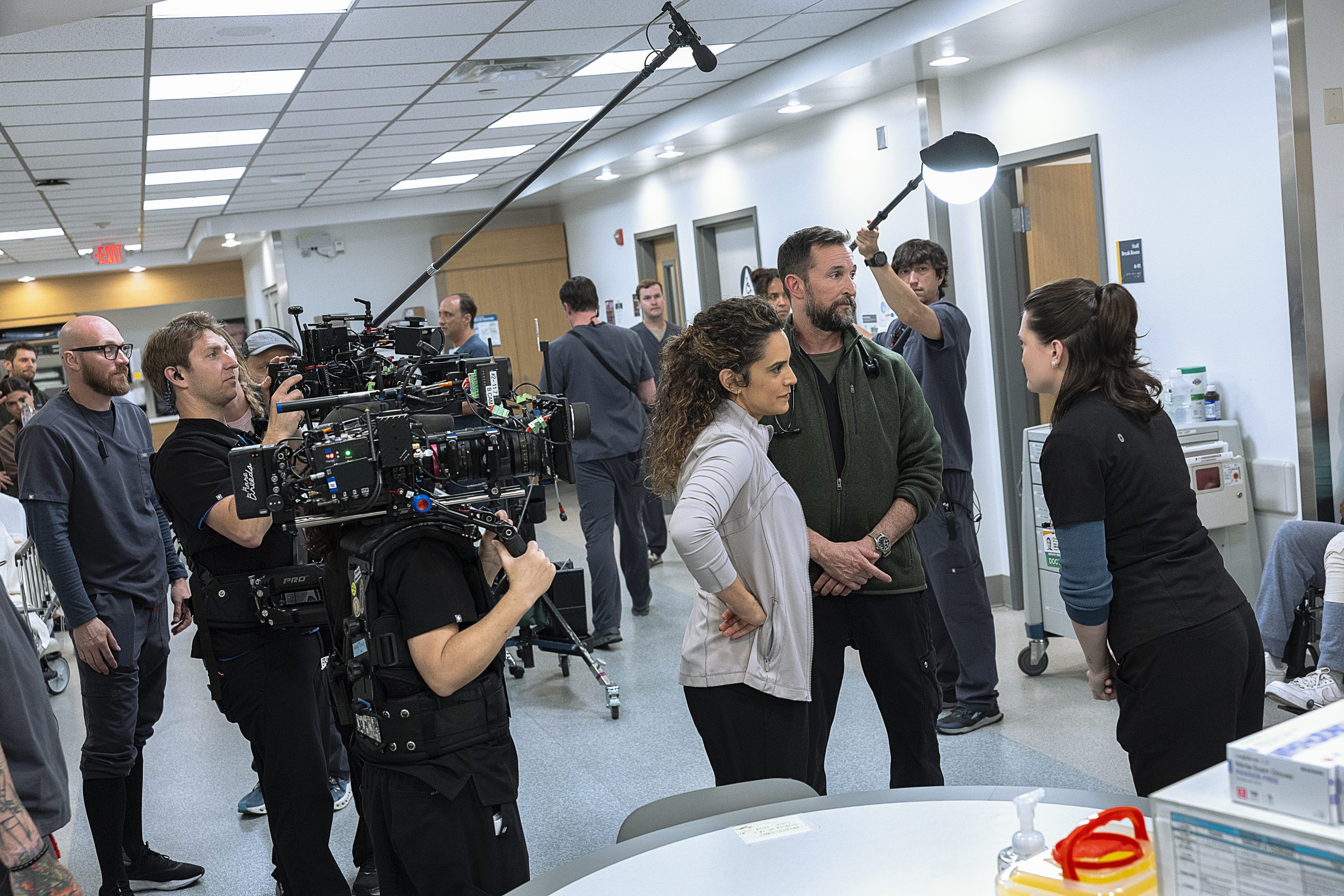
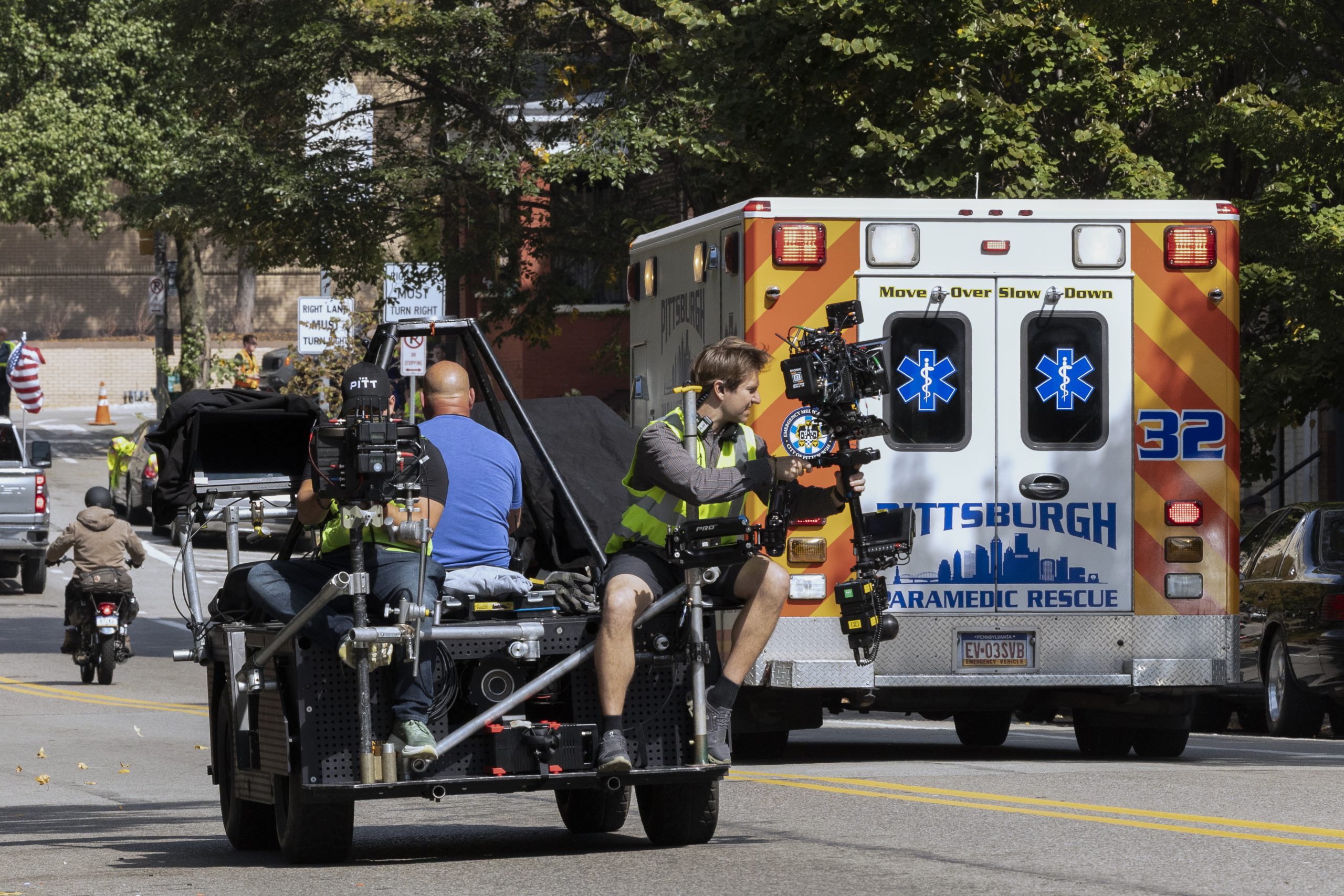
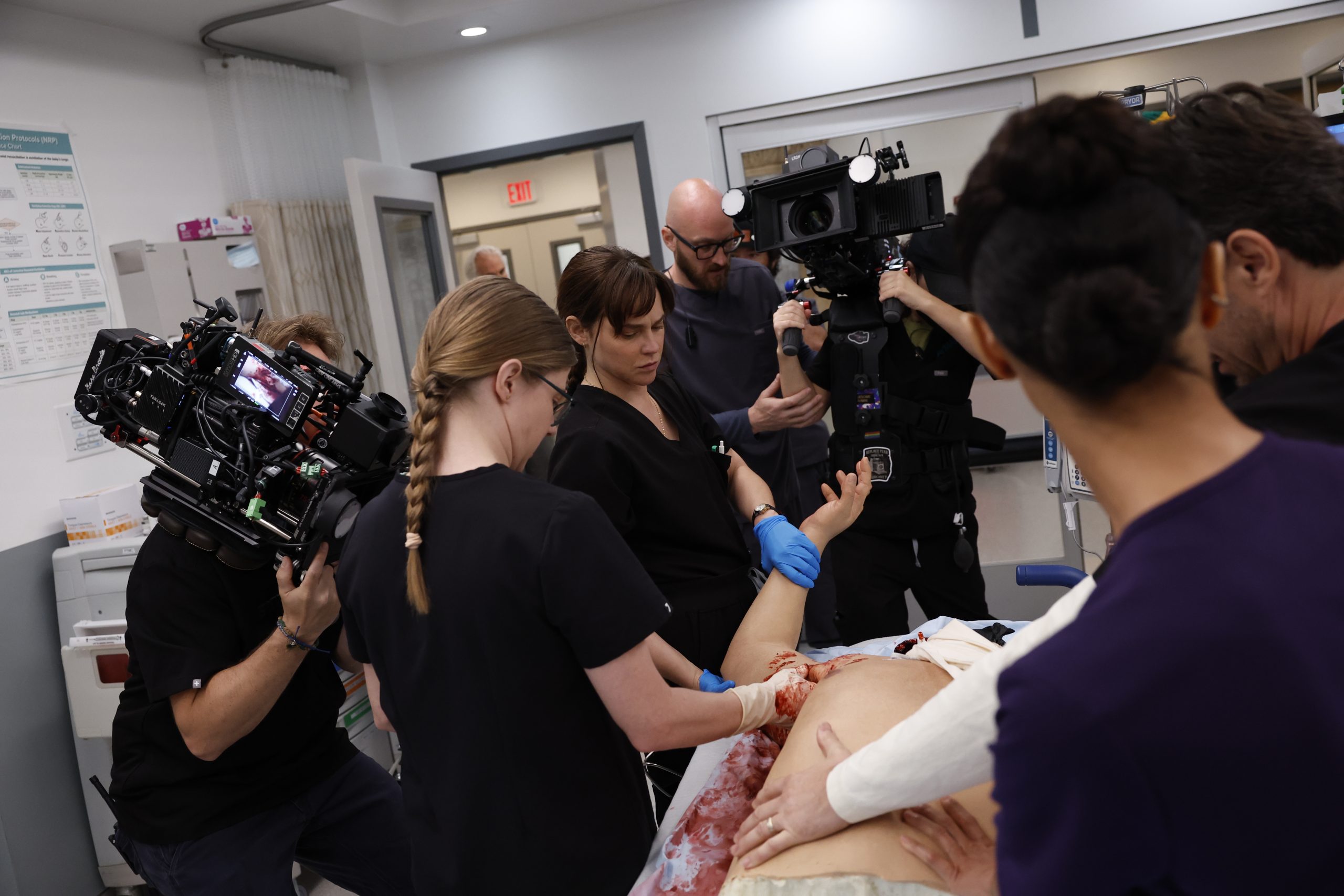
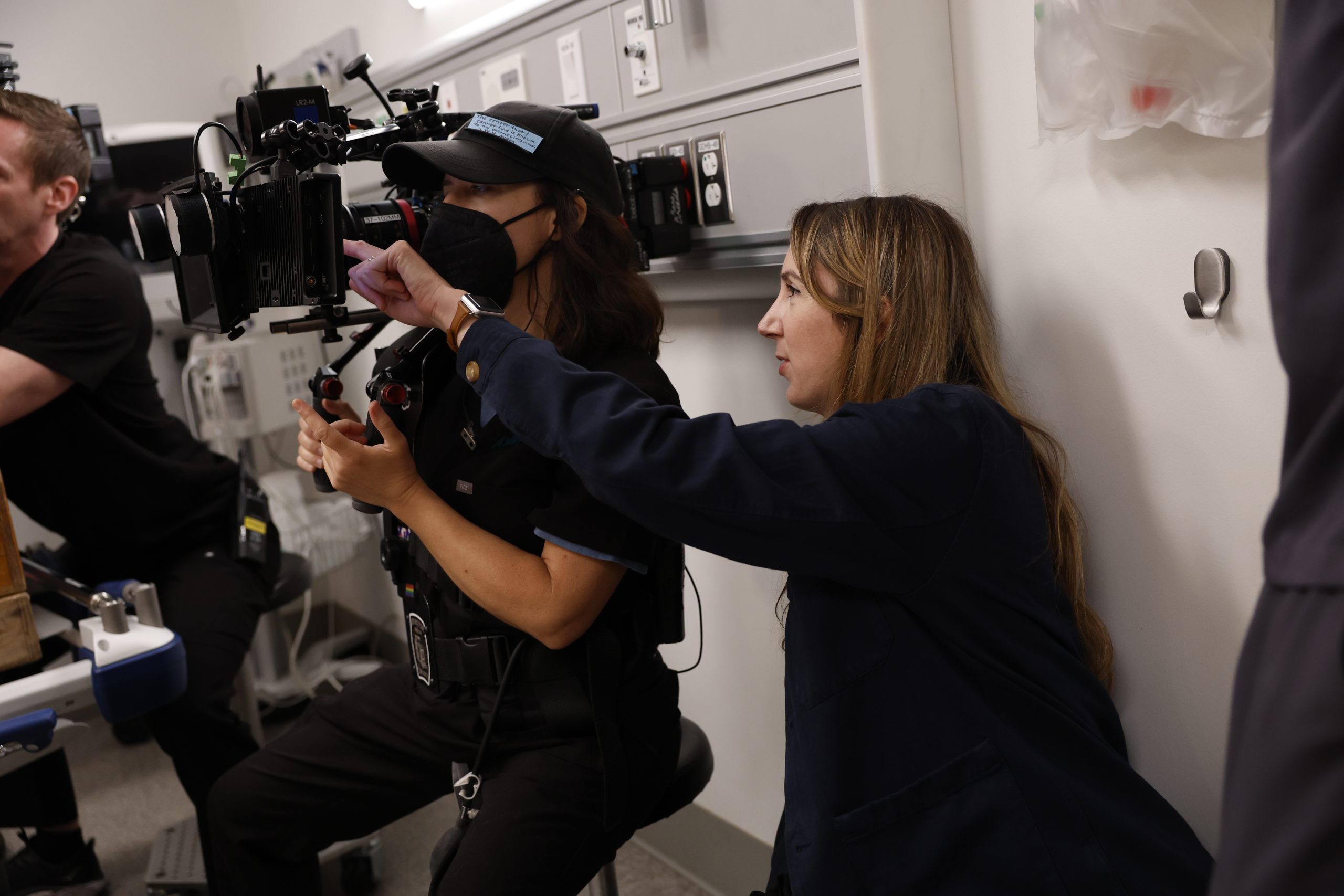
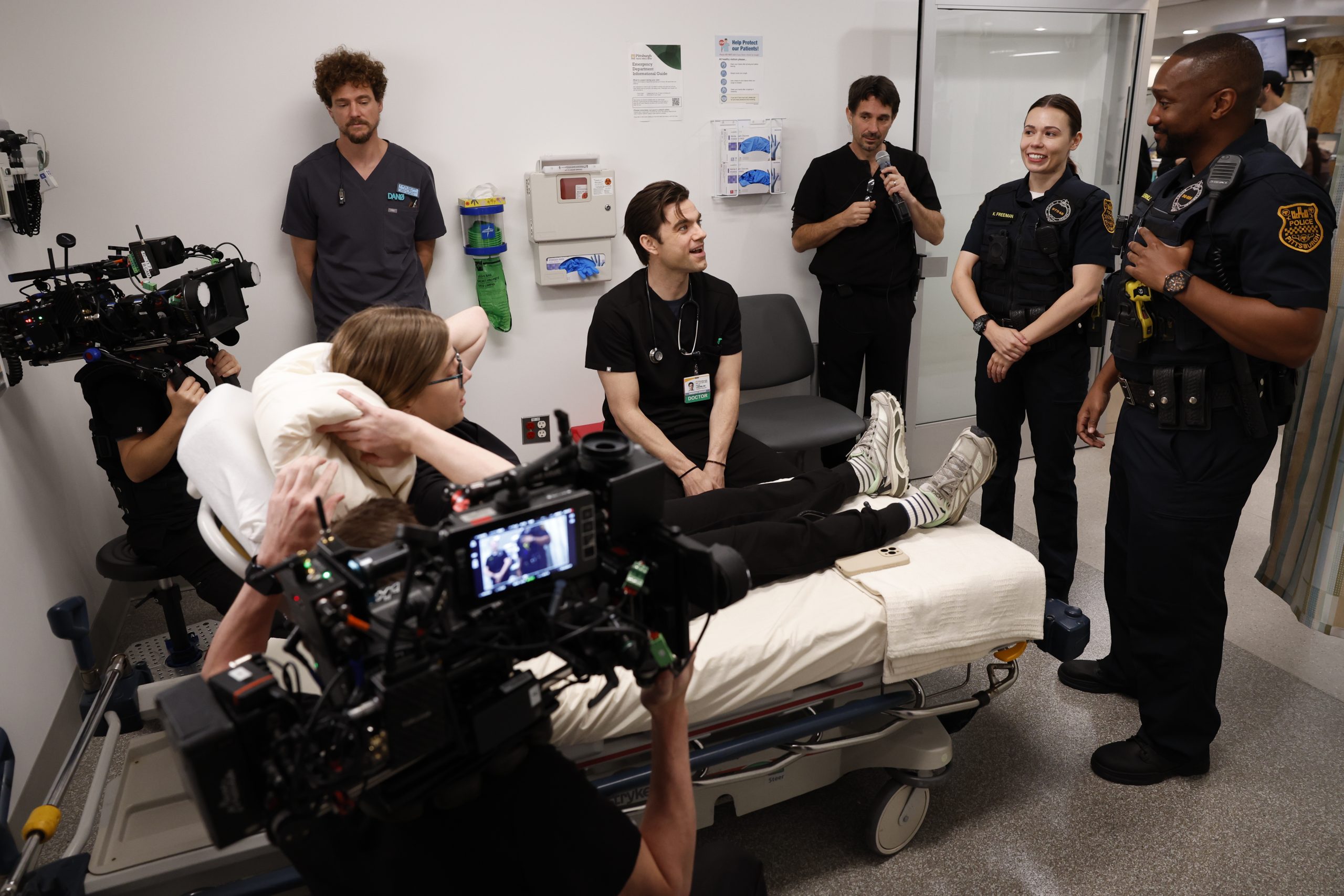
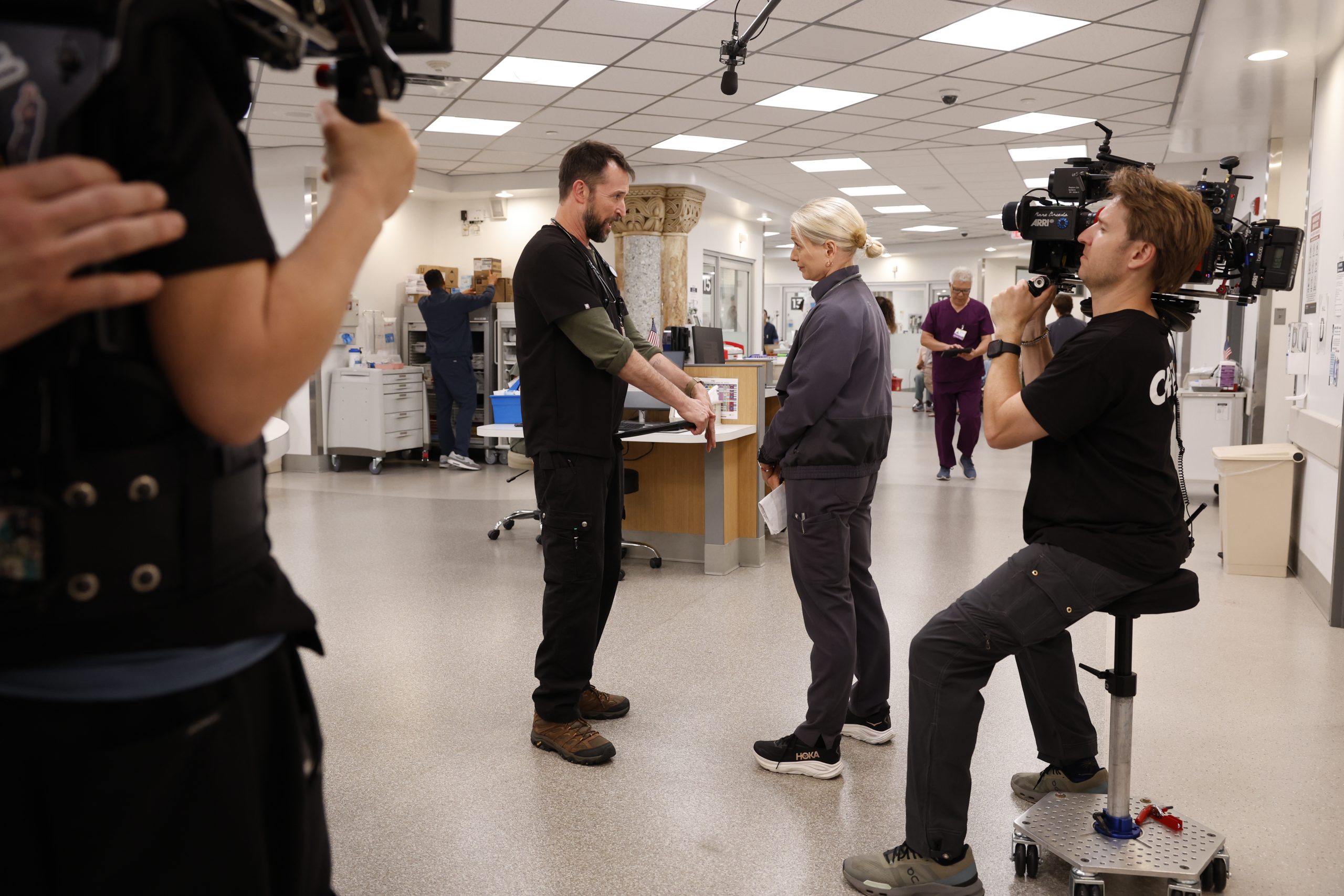
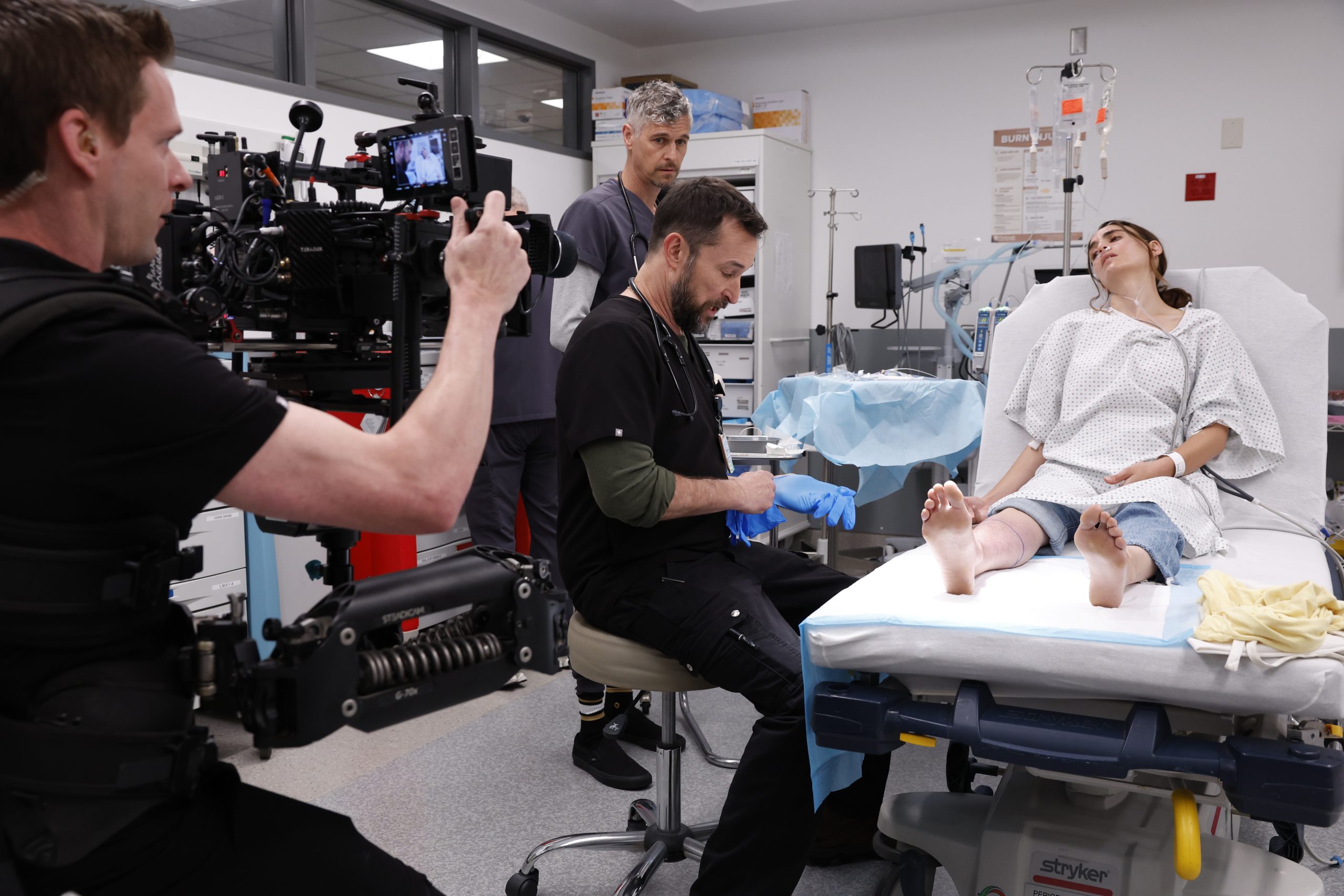
Camera Operator Spring 2026
Above Photo:
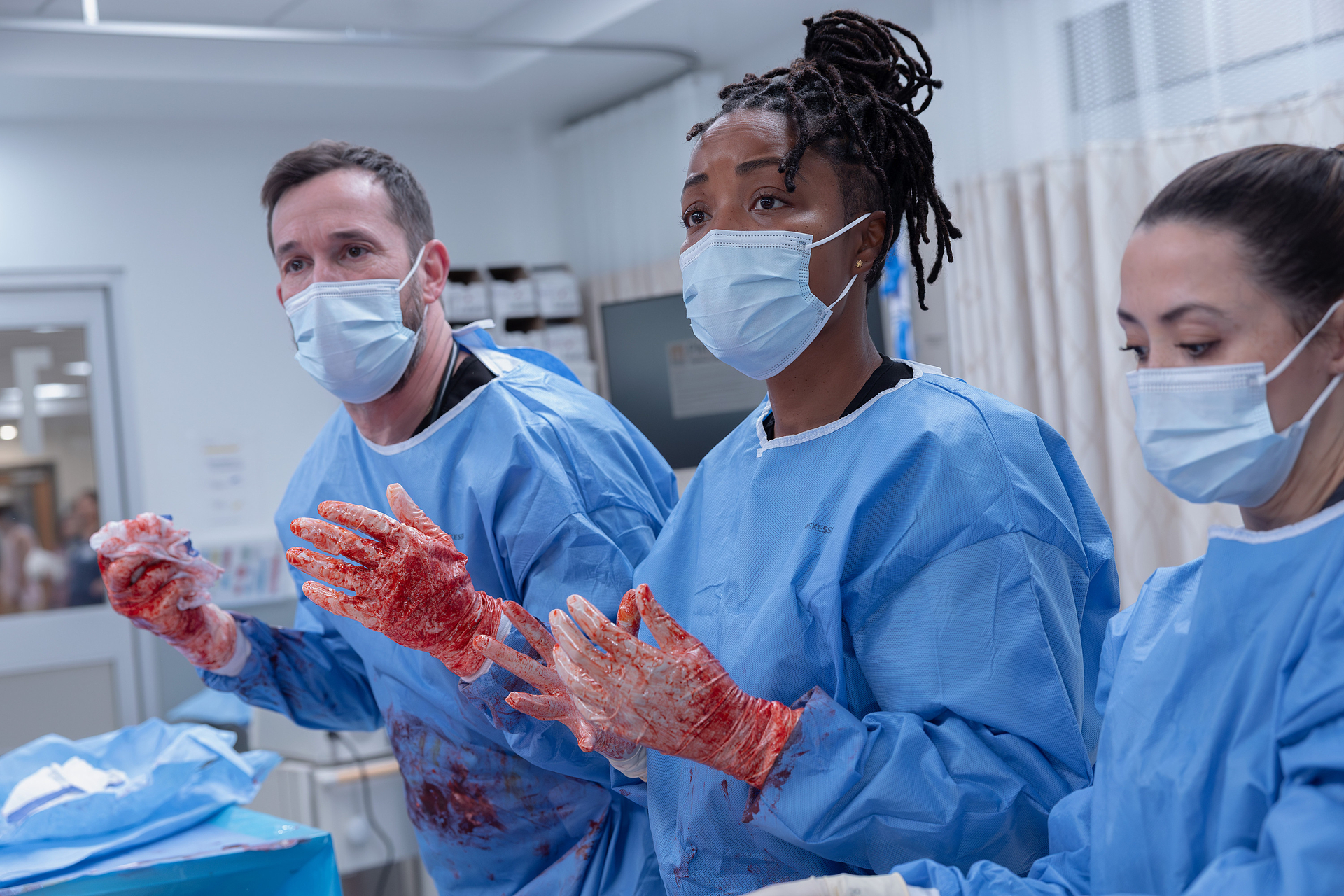
Noah Wyle, Ayesha Harris, and Ambar Martinez on the set of THE PITT.
Photos courtesy of HBO Max
TECH ON SET
Angéniuex Optimo prime and zoom lenses
ALEXA Mini LF camera
Preston Cinema Systems devices
Master Cinema Series Letus shoulder pad
Cinema Devices ZeeGee rig and Ergorig
RELATED CONTENT
Watch the trailer for The Pitt
Erdem Ertal, SOC
Learn more about Erdem Ertal’s career and projects at IMDb.com
Aymae Sulick, SOC
Learn more about Aymae Sulick’s career and projects at IMDb.com
BEHIND-THE-SCENES
Select Photo for Slideshow
SIGN UP FOR THE FREE DIGITAL EDITION OF CAMERA OPERATOR
Click Here
ENJOY PAST ISSUES OF CAMERA OPERATOR
Click Here
Erdem Ertal, SOC
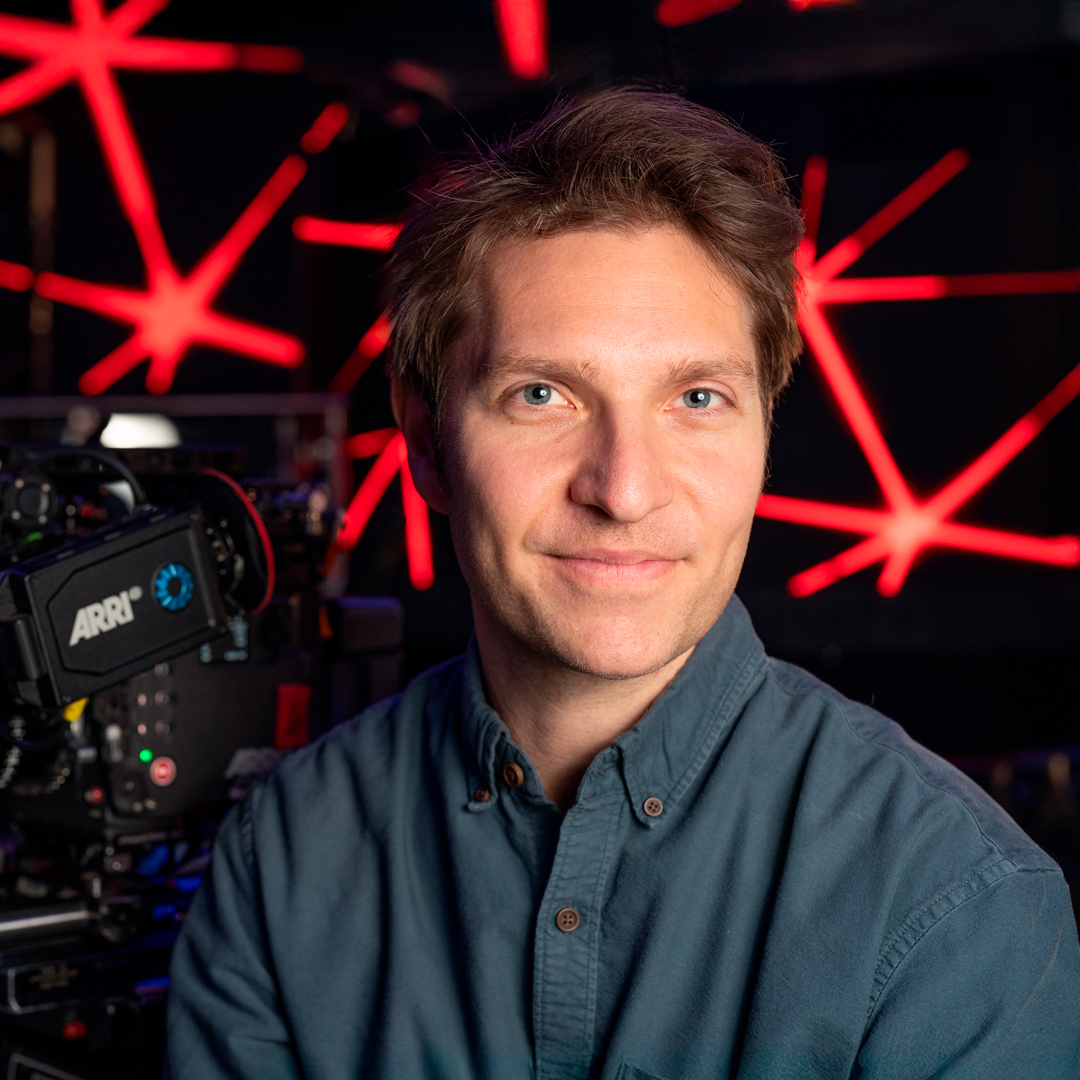
Erdem Ertal, SOC was born in Queens, New York, raised in Chicago, and moved to Los Angeles to pursue a career in camera operating. He began his career on the set of a self-produced narrative short that screened at the Festival de Cannes. Building on that early recognition, he went on to crew across a wide range of indie features, sharpening his technical skills and visual instincts. A member of Local 600, SOA, and SOC, Erdem works as a camera and Steadicam operator in Chicago and L.A. on features, scripted television, and commercials. His TV credits include FOX’s Empire, HBO’s Watchmen, Netflix’s Emily in Paris, NBC’s Chicago Med, and WB’s The Pitt.
Photo courtesy of Erdem Ertal
Aymae Sulick, SOC
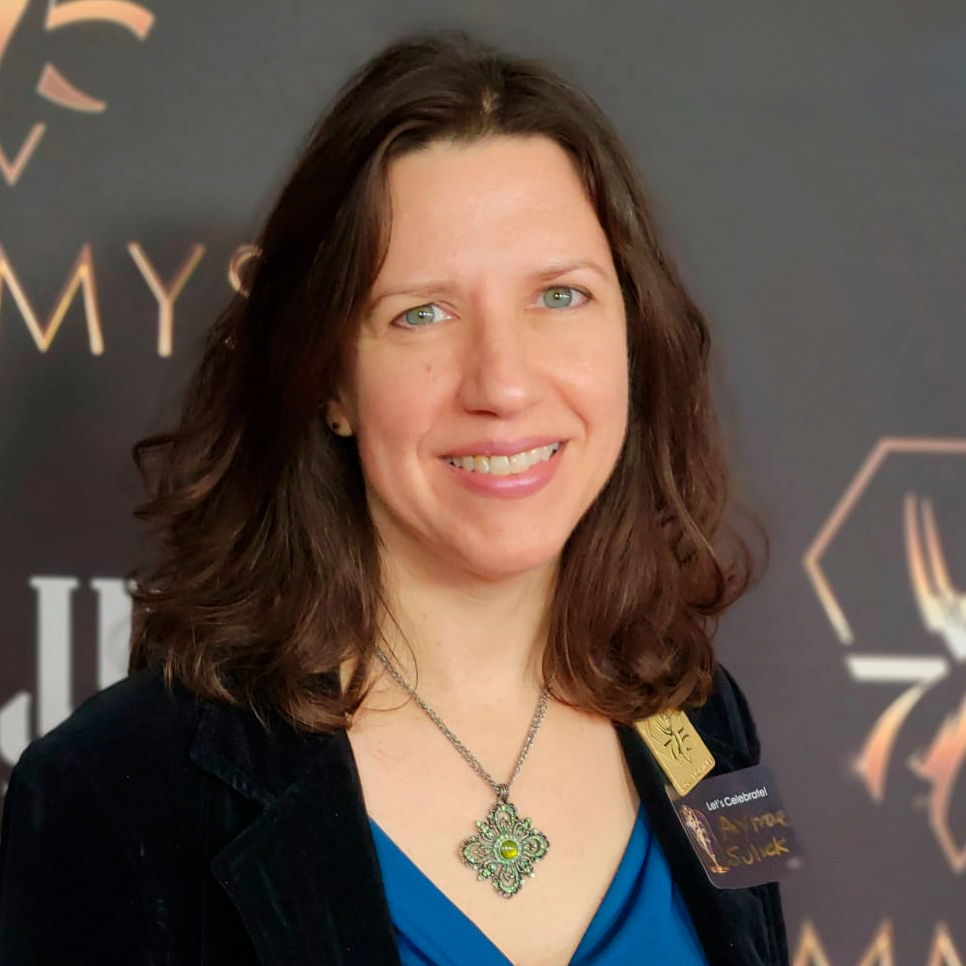
Aymae Sulick, SOC is an Emmy nominated camera operator and award-winning cinematographer based in Los Angeles. With 25 years of experience behind the camera and cross-genre versatility, her work has spanned indie film, commercials, documentary, live performances, and episodic television. Her operator credits include Insecure, The L Word: Generation Q, Dollface, and The Pitt.
Aymae holds an MFA from USC School of Cinematic Arts and has been a proud member of ICG Local 600 for 13 years. She believes in the power of visual storytelling to make a difference in the world and prioritizes working on projects that can foster empathy, encourage connections, and illuminate unique perspectives.
Photo courtesy of Aymae Sulick
David Daut
A writer and critic for more than a decade, David Daut specializes in analysis of genre cinema and immersive media. In addition to his work for Camera Operator and other publications, David is also the co-creator of Hollow Medium, a “recovered audio” ghost story podcast. David studied at the USC School of Cinematic Arts and works as a freelance writer based out of Long Beach, California.
SPECIAL THANKS TO OUR ADVERTISERS