Crafting a Cinematic Sitcom
Hacks
An interview with Joel Marsh
By David Daut
After being greenlit and produced during the early days of the COVID-19 pandemic, Hacks had something of a tough road ahead of it. Now five seasons and dozens of Emmy nominations later—including 24 for the latest season—the series has become a beloved institution and gets to go out on a high note with a funny and emotionally moving series finale.
Camera Operator had the chance to speak with A camera operator Joel Marsh about his experience working on the series, from the pilot episode all the way through to the finale. For this feature, you can both read our interview with Marsh, as well as watch several video deep-dives into some of the specifics of operating on Hacks including the series’ bookending oners and the sizing chart that helped define the look of the series.
After losing Late Night and being muzzled by a non-compete stipulation in her contract, Deborah Vance faces the very real possibility that her creative legacy might be defined by a hostile executive that wants to silence her. Alongside her friend and writing partner Ava Daniels, Deborah attempts to take back control of her own narrative—and how better to do that than to sell out a show at Madison Square Garden? Hacks is created by Lucia Aniello, Paul W. Downs, and Jen Statsky and stars Jean Smart, Hannah Einbinder, Carl Clemons-Hopkins, Megan Stalter, Paul W. Downs, Rose Abdoo, and Mark Indelicato.
Camera Operator: At its most basic level, Hacks is a half-hour workplace comedy, but it’s shot with a very cinematic style and a scope that you don’t usually expect with that genre. What was it like working on a series with this level of visual style?
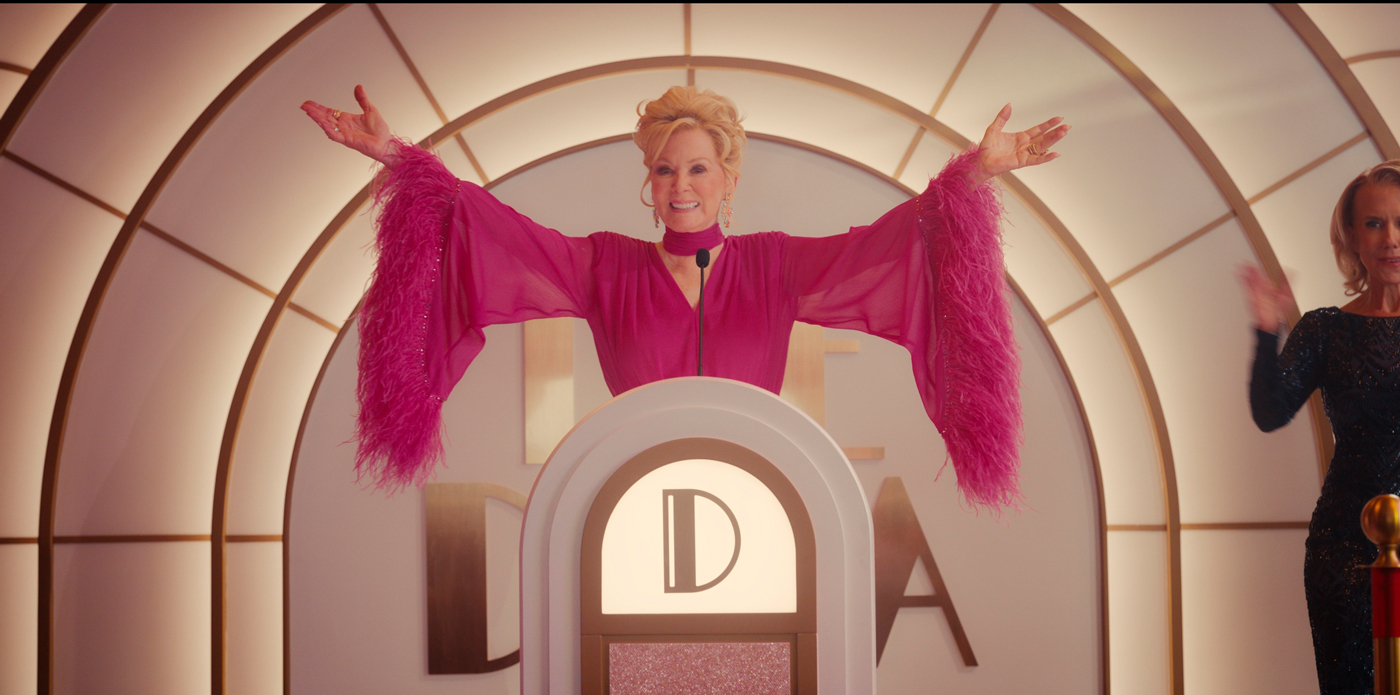
Joel Marsh: Even though that is kind of the definition of it, Adam Bricker, the DP, always intended to shoot this cinematically, as if it were a movie. Treating it no different than you would treat any high echelon cinematic experience. When he was talking to JPL—our acronym for show runners Jen Statsky, Paul W. Downs, and Lucia Aniello—his references were all elegant intentional films with great color palettes; things like Behind the Candelabra or Judy—golden age stage performers doing their thing at a certain point in their career. I don’t even know if we ever used the phrase ‘workplace comedy’. We were shooting this like a movie.
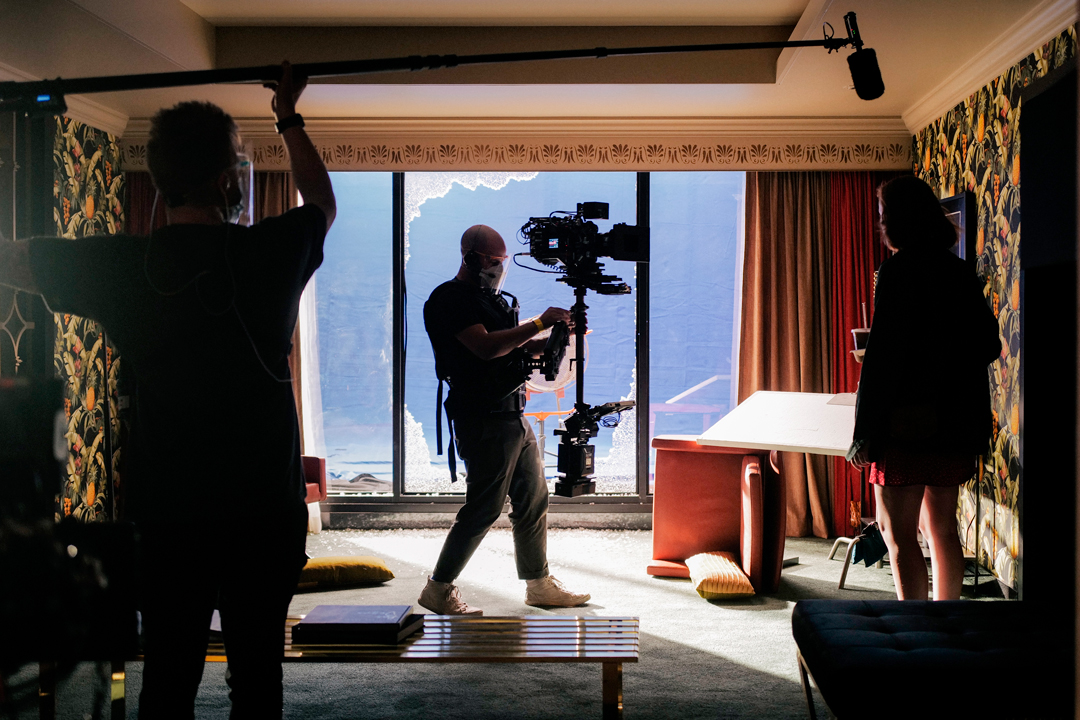
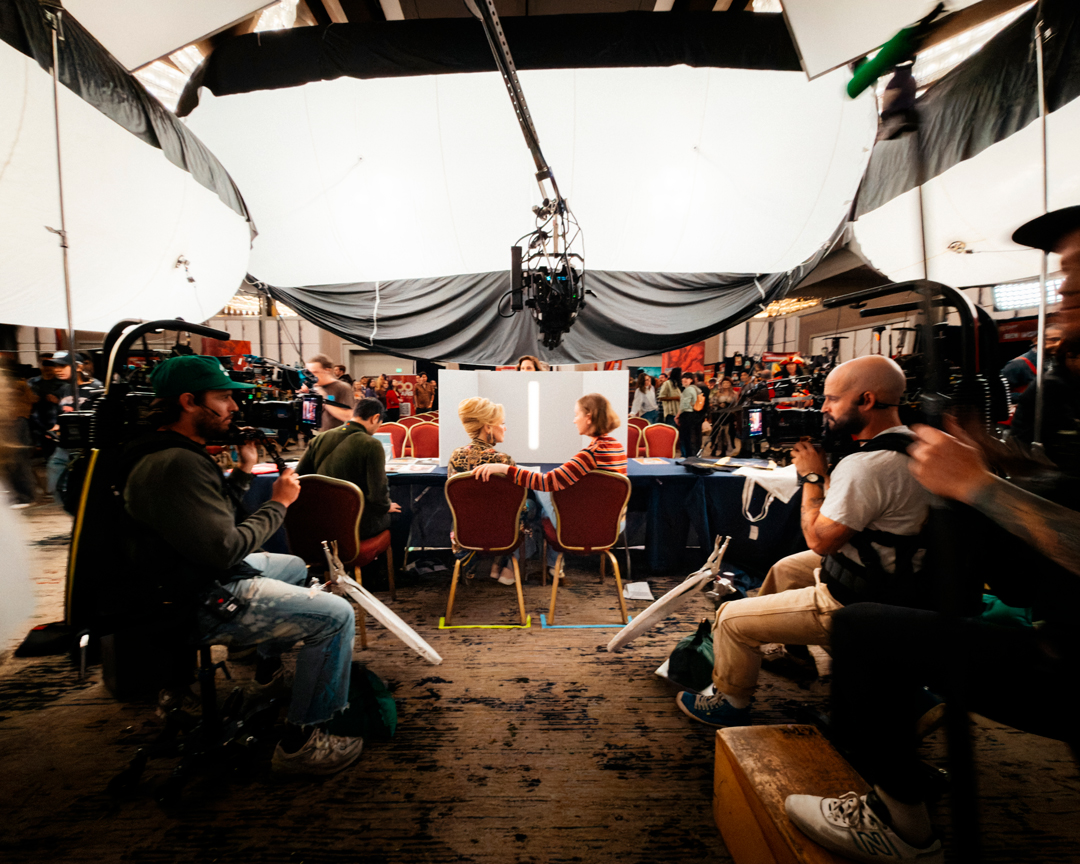
From a camera operating standpoint, what we did was not what you’d expect from a standard 30-minute workplace comedy. Instead of cross shooting, we always shot from one side of the scene, two cameras and sometimes three covering different sizes, then moved around to shoot the other side and ultimately the wide. This gave us the capability to light in a way you wouldn’t be able to if you had to do both sides at once. Plus, I didn’t have to worry about catching any of my other operator friends on camera, much as they deserve to be seen!
CO: Aside from the visual style, there’s a really terrific cast for the series as well. Led, obviously, by the great Jean Smart and Hannah Einbinder, plus a really good supporting cast and all the guest stars that have popped up over the show’s five seasons. What was it like working with the cast on this series?
Marsh: Loves of my life! I can’t say enough good things about this brilliant cast. This show started during COVID—it was the first show I did after the long lockdown break—so when we first showed up for the camera test, day zero, I was obviously feeling quite socially starved and the very first person I met was Hannah Einbinder. I’m wearing two masks and a face shield, looking like a storm trooper, and all you can see is a sliver of my face. I say, “Hi Hannah, I’m Joel. I’m sorry about the mask;” and I remember right away Hannah said, “Yeah, I always thought the eyes were the window to the soul, but it turns out it’s the lower two thirds of the face.” Immediately I knew, I’m going to get along with this person.
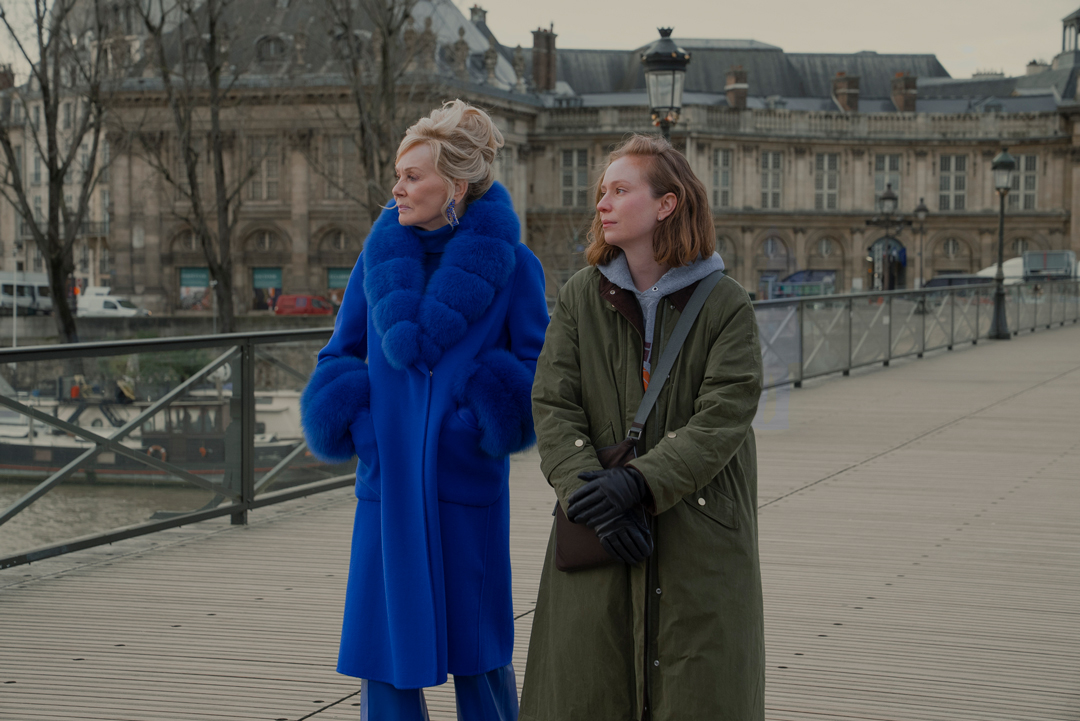
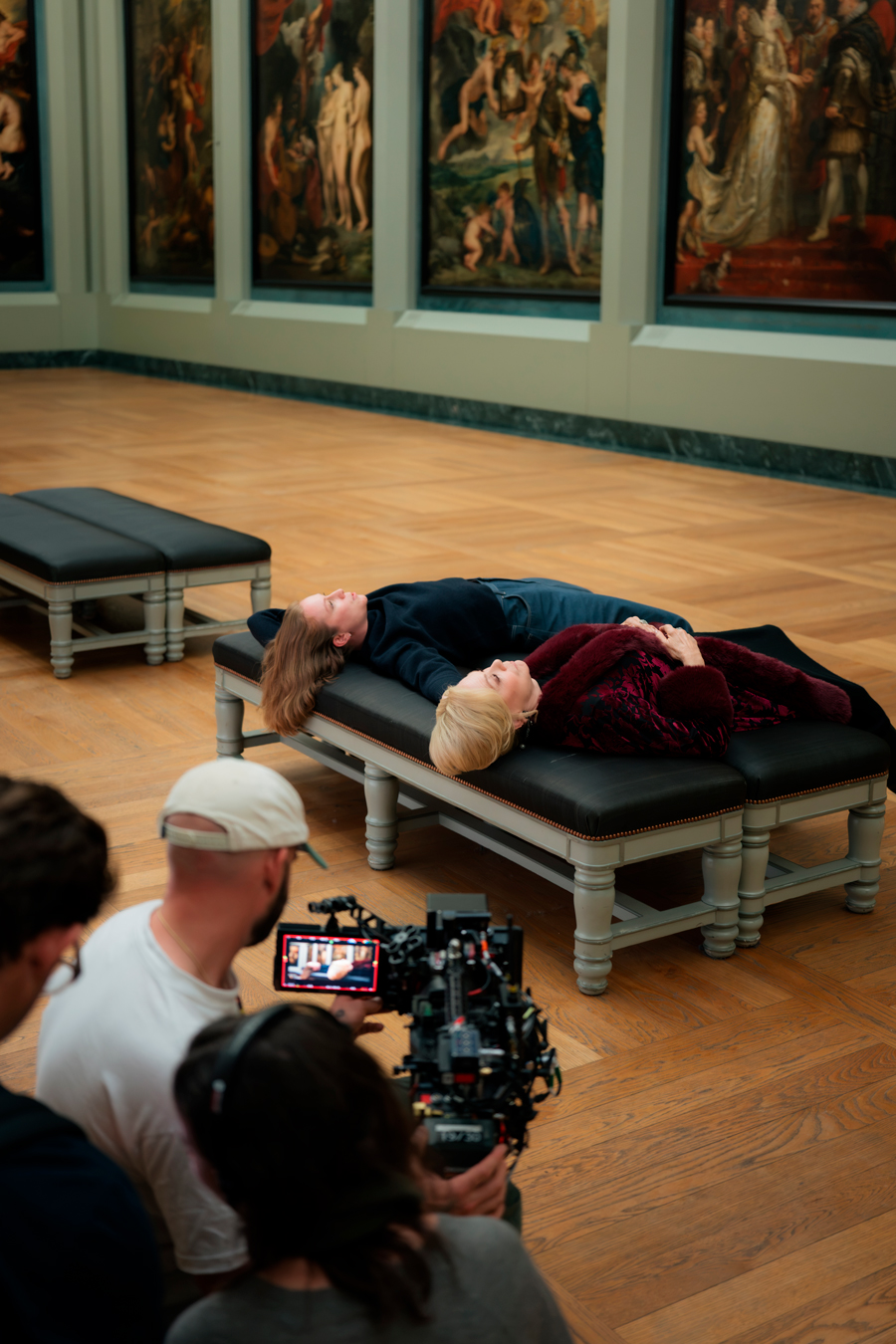
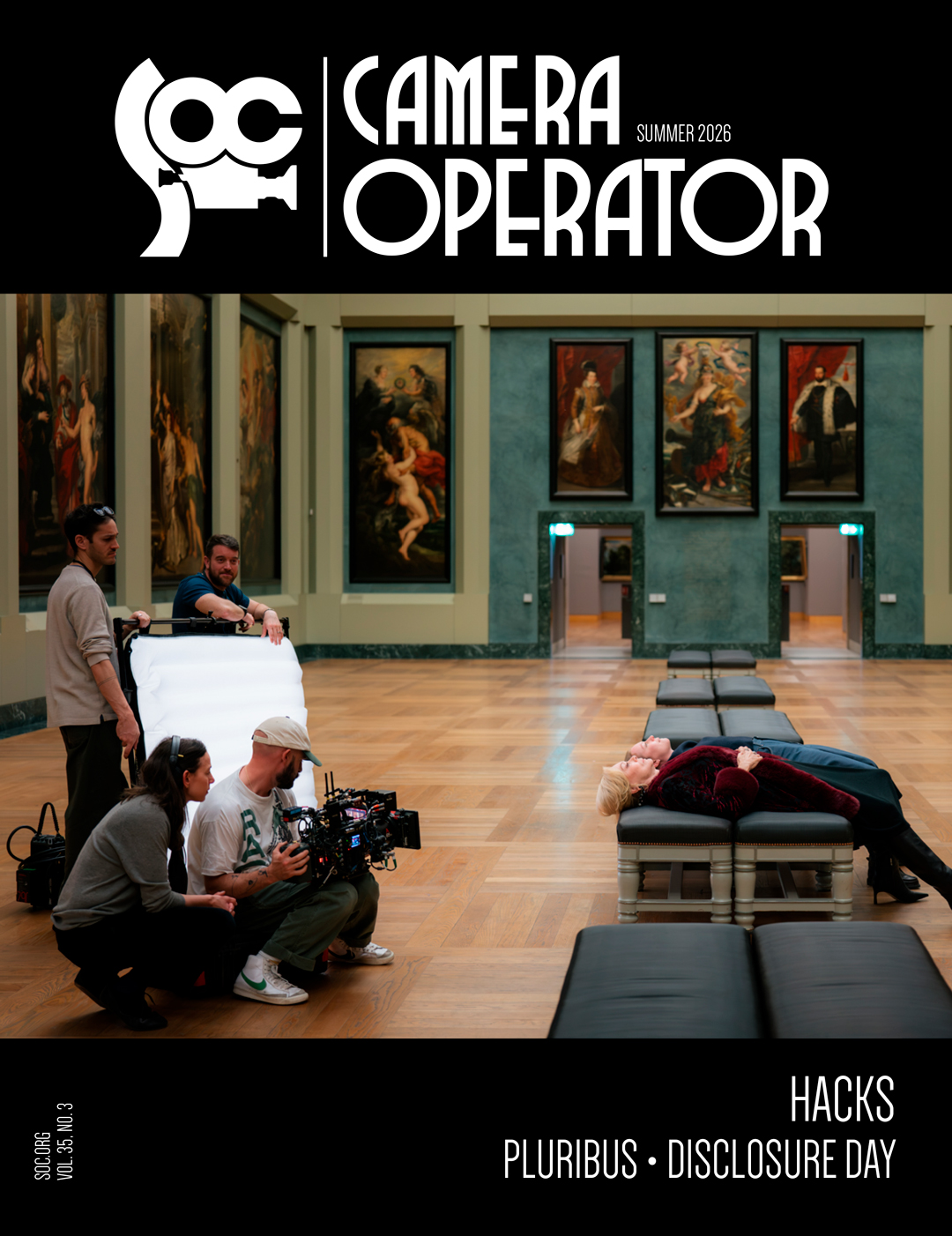
From that start all the way through the final wrap in Paris, in the Louvre, we became family. I think it was 12 of us in the Louvre when we wrapped on the very last day—including me and Adam, Paul, Jen, Lucia, Hannah, and Jean—the same team that was there on that test shoot day back in 2020. I always thought it was such a cliché when people said, “We’re a family on this TV show,” but I looked around at them standing in the empty gallery of Dutch masters and we are.
Plus, the guest stars! I’ll never forget meeting Carol Burnett. The legendary Carol Burnett came and did a small guest spot for us, and she was so quick, so good, so sharp. After shooting she gave me a hug and said, “You know, you have the most wonderful smile.” I will take that to the grave. I might as well open a testimonial section on my website and list that. It’s astounding that this is my job.
CO: Speaking of guest stars, I understand that you had a guest spot on the show yourself. Tell me about that.
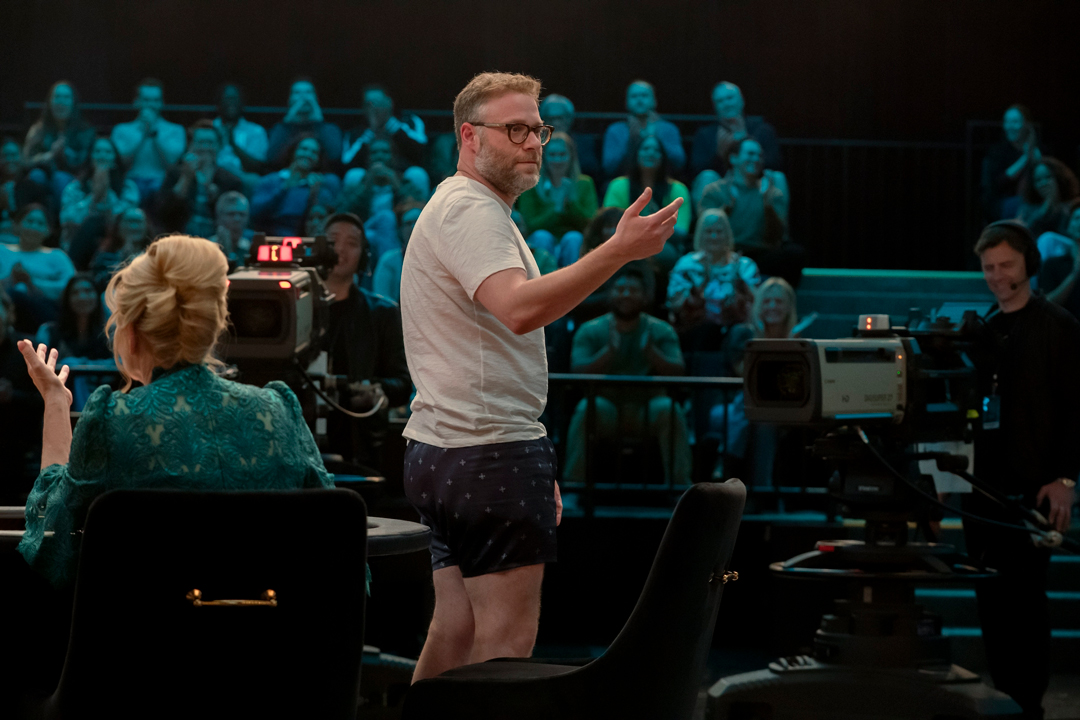
Marsh: Finally! I’ve carved out quite a strange little niche for myself playing a camera operator in shows. I previously played a camera operator on a show that I did with Adam for Netflix, called #blackAF. I think I had two lines in that: “Sorry,” and “I don’t think so.” I had three lines this time, so I’m clearly moving up the ladder a little bit. I realized that I hadn’t prepared for the part whatsoever because I was so wrapped up in my operating job, so the morning of, I was like, who is this guy? I play a roadie for Fall Out Boy, so in my car I yelled at the top of my lungs for five minutes straight; you know, if this guy was grafting for Fall Out Boy the night before he’d have lost his voice. Not sure it added anything whatsoever, but I enjoyed the heck out of it; quite a day. I was acting across from the murderer’s row of Hacks. It was Jean, Hannah, Paul W. Downs, and Meg Stalter, all across from me, plus the unrivaled Laurie Metcalf. I looked at this tableau, this Renaissance painting, and thought, “I’m in the show.” It was such an honor to be immortalized on screen.
CO: Thinking about the location aspects of this show, you kind of split the time pretty evenly between Vegas, New York, and L.A. What was it like traveling for this show and filming in these different cities?
Marsh: Every year people ask me, “How did you like being in Vegas for so long?” The truth is we actually only spend one or two weeks there per season. This past season was the most we did in Vegas, I think we did four or five full weeks. For the most part, it seamlessly feels like Vegas without actually spending too much time on location. I’m not sure any human being can spend more than that amount of time in Vegas. No shade on people who live there, but to me the heat is untenable.
As the show went on and became sort of its own fame beast it gets more and more thrilling to shoot on location. In New York City, we were filming on the street and people would shout, “There goes my girl, Deborah Vance!” You can feel isolated from the impact of a show when you don’t get to see the breadth of its audience, but moments like that show you how much it means to people.
When I got out of film school, my number one goal was to travel and work, and right at that point Chef’s Table fell into my lap—on which Adam Bricker was also the DP—and we went all around the world. I cherish any time I get to shoot on location. While this show is mostly on soundstages and local to L.A., as we’ve expanded we’ve gotten to do little jaunts which broaden the world and change the energy for us as a crew. In Season 4, the girls go to Singapore and I was devastated that I didn’t get to go, so this year I begged on my hands and knees and I made it to Paris.
CO: Thinking back to your time on this series, what other moments and memories stand out?
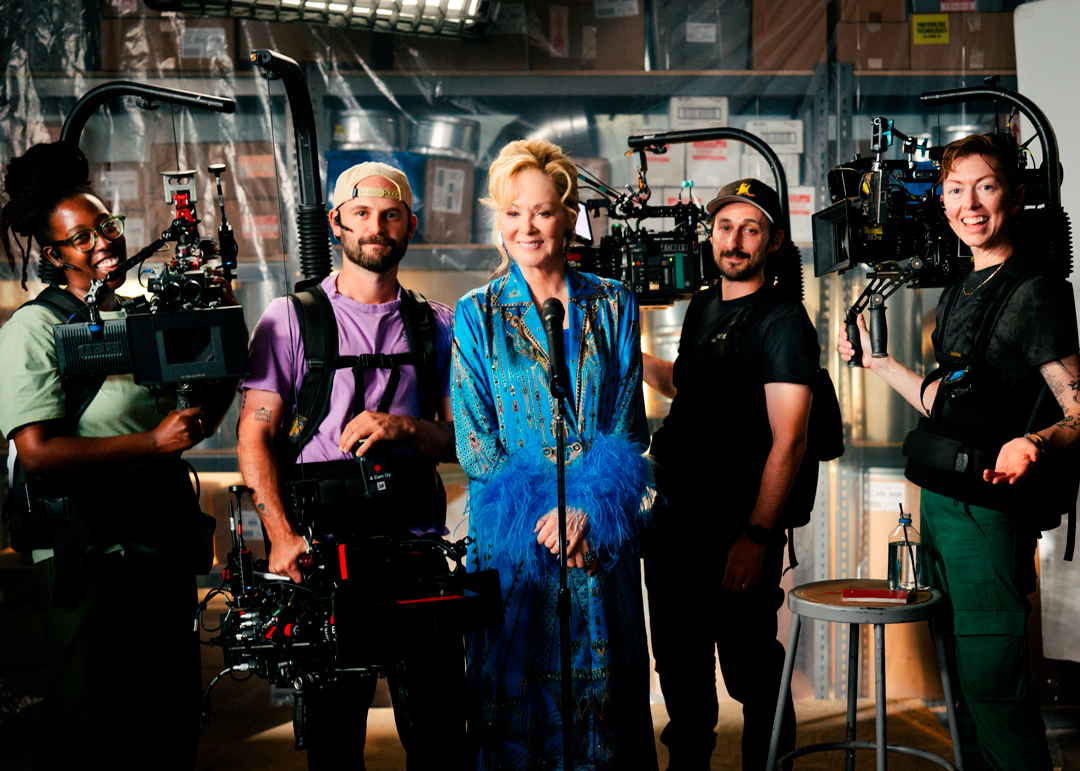
Marsh: If you think about love languages, ours, by nature of our job, is quality time. We spent hours together on set, and everyone was so devoted to being present and hanging out. The camera team is the best I’ve ever worked with. I’ve spent more time with operators Erin Wesley, Charlie Panian, Natasha Mullan, Jules Hotz, Carissa Dorson, and Chloe Weaver than I’ve spent with my family! I’ve shared meals with ACs Jamiel VanOver, Elaisa Vargas, Cameron Carey, Mariela Ferrer, Paulina Bryant, Jordan Cantu, Nina Pilar Portillo, and Eddie Gutierrez more than I have with my friends. And I’ve certainly seen the cast of Jean, Hannah, Paul, Meg, Mark, Rose, Carl, Chris, Kaitlin, Poppy, Robby, and Johnny more than any medical professional. And I wouldn’t have it any other way! Although having said that I do need to make up for lost time with all those people; thank you for your patience!
Little memories that stick out: Jean giving me $100 to play blackjack with her in Vegas, white elephants with the camera crew, taking film photos with the PAs, five dollar Friday buckets in Malibu where all the right people win, Halloween on set where everyone dressed up as Ava Daniels, and five straight Emmy nominations for best cinematography! I think I forgot all my teachers’ names from middle school to make room for the memories from this show.
Actor on Operator
Hacks
An interview with Hannah Einbinder
By Ashlie Sotelo
Courtesy of HBO Max
During the process of working on our interview with Joel Marsh about Hacks, series lead Hannah Einbinder actually reached out to Camera Operator. What began as a mere request for image clearance ended up with Einbinder asking to go on record to say some words about Marsh’s contributions to Hacks and how special their working relationship was on the series. Camera Operator was, in turn, delighted to take the call and chat with—in her words—a “below-the-line bitch” about the interplay between camera operator and actor from the other side of that equation.
Camera Operator: In his interview with Camera Operator, Joel mentioned that Hacks was his first show after the long COVID break, and he showed up to the camera test on day zero feeling quite socially starved, and you were the first person he met. He was wearing two masks and a face shield, looking like a stormtrooper, and he said, “Hi, Hannah. I’m Joel. I’m sorry about the mask.” He remembers you said, “Yeah, I always thought the eyes were the window to the soul, but it turns out it’s the lower two thirds of the face.” He’s said right then and there he knew he was going to get along with this person.
Hannah Einbinder: Aww, Joel is the best. Joel is the sister everyone deserves. He is the mother I always wanted. He is the friend everyone should have. Joel is love. Joel is light. He is the mayor of set. He is the class clown. He is genuinely one of the best things to come out of Hacks for me. That’s in addition to being physically gifted. Joel’s Steadicam operation defies the limitations of man. He genuinely runs backwards for shots. He can hold a shot on Steadicam longer than absolutely anyone. I’ve now been on other shoots in other parts of the world, and no one compares to Joel in terms of the technical skill of operating, especially on Steadicam.
But more than all of that, he’s just the most lovely human being. I have scenes with different actors, but I’m always shooting with Joel. Joel was there for every single solitary second of my Hacks career. He was such a massive part of it, and such a massive part of my personal development as an actor as well.
CO: That sets us right up for my next question. There’s the oner in the series finale that follows you through the set and ends with a reveal of your face as you call action. Joel told Camera Operator that when he saw the emotion on your face at the end of that shot, the pressure of landing the oner faded away, and it became this emotional, full circle moment for his time with Hacks. What was that take like from your side of the lens?
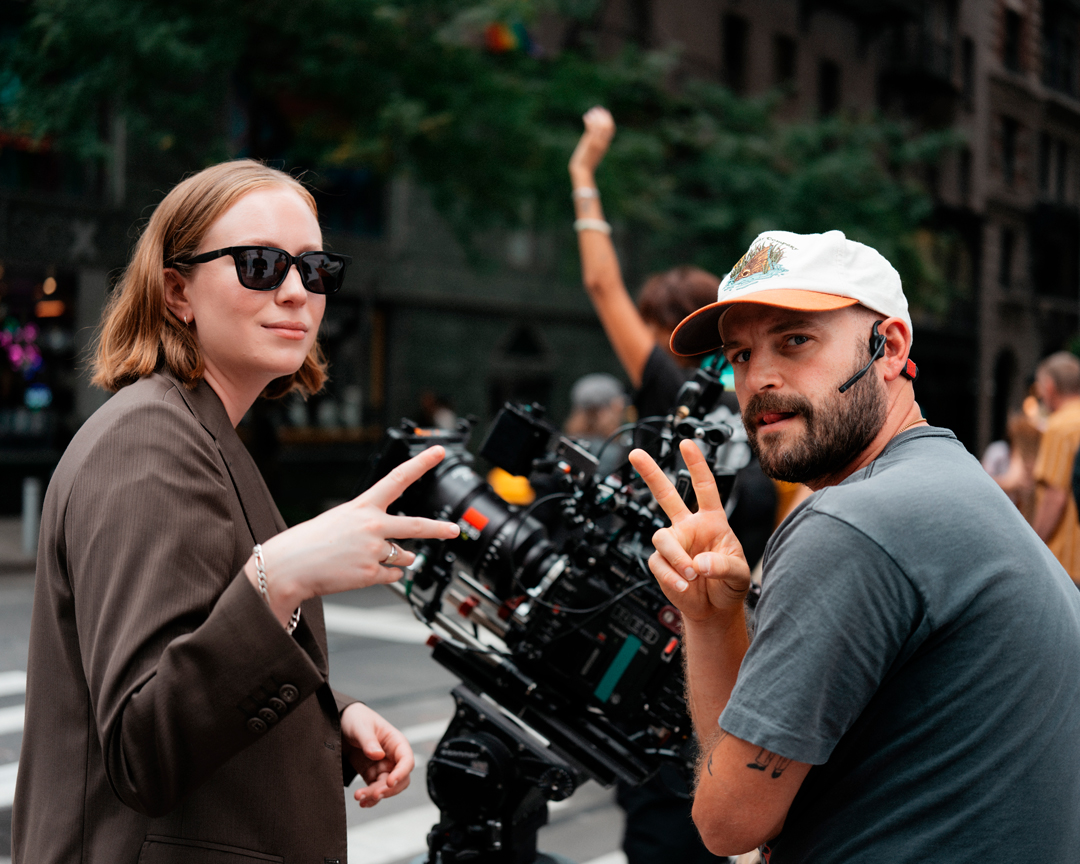
Einbinder: That take was so exciting. First of all, that shot was so meaningful because it featured a lot of our actual crew members. To hear the voice of our first AD and to walk by some of our grips and our camera team and our costumer, and to say their names in the scene, it was everything I could ever hope for. It was this time to honor the contribution and the presence of our crew, and that is what fueled my emotion in the end of that shot. Walking through, knowing that this was a time for them to be seen the way that they deserve to be. I think it was this mutual thing that both of us were feeling at the same time for the same reason.
Courtesy of HBO Max
CO: Camera operators often describe their work with an actor as a dance. Like you said, the camera operator is often the closest person to you on set, and you and Joel did this for five seasons together. Besides that oner, is there a scene or a shot that stands out in your mind?
Einbinder: Oh my God! Of course. In Season 1 there was a an episode—I believe episode six—where Ava is suspicious that something really bad has happened to her date, and she runs to the hotel room to the reveal that he has jumped out of the casino and killed himself. We did a bunch of takes of this run down a narrow hallway, and Joel was running backwards on Steadicam. We were doing all of these takes because it was early on in the series, and I think Paul, Jen, and Lucia wanted a certain transition of emotions in my performance from the beginning to the end of that shot. So, we did it over and over and over and over again, and Joel was such a trooper. This work would have put anybody else out. I have had experiences since working with Joel where an operator has needed to stop; Steadicam is a physically demanding job. But Joel was joking with me even towards the end of doing so many takes. He made a joke at one point where he said, “How about you wear the camera and I’ll wear the dress?” Which we say to this day.
I felt so genuinely supported on an emotional level by Joel throughout the series. I really was getting my sea legs underneath me for the first few seasons, and I was very self-conscious, but Joel was always there after takes. He’s highly perceptive, and he would see how I was feeling without me saying anything, and he would affirm me and tell me I was doing a good job. Genuinely, he kept me going and validated me when I really did not feel good about myself. He really, fundamentally changed my experience.
CO: I love the camera operators. They’re truly the best. And I love representing them because I feel like sometimes they’re under appreciated in the public eye. Knowing that camera operators will be reading this piece, is there anything else you want to say to Joel and the rest of the Hacks camera team?
Einbinder: I would say thank you for your service. You should be able to board the airplane first. It should go baristas, camera operators, and active military, in that order. And I would say to the Hacks camera operators and the entire camera team, you are my blood relatives. We share DNA, and I love you forever.
BEHIND-THE-SCENES
Select Photo for Larger View

Camera Operator Summer 2026
Above Photo:
Courtesy of HBO Max
Read the Summer Issue
TECH ON SET
-
RED Digital Cinema
-
V-RAPTOR 8K VV camera
-
Panavision Primo 70 lenses
-
Easyrig
-
GPI PRO Steadicam
RELATED CONTENT
Watch the trailer for Season 5 of Hacks
Joel Marsh
Learn more about Joel Marsh’s career and projects at IMDb.com
BEHIND-THE-SCENES
Select Photo for Slideshow
SIGN UP FOR THE FREE DIGITAL EDITION OF CAMERA OPERATOR
Click Here
ENJOY PAST ISSUES OF CAMERA OPERATOR
Click Here
Joel Marsh
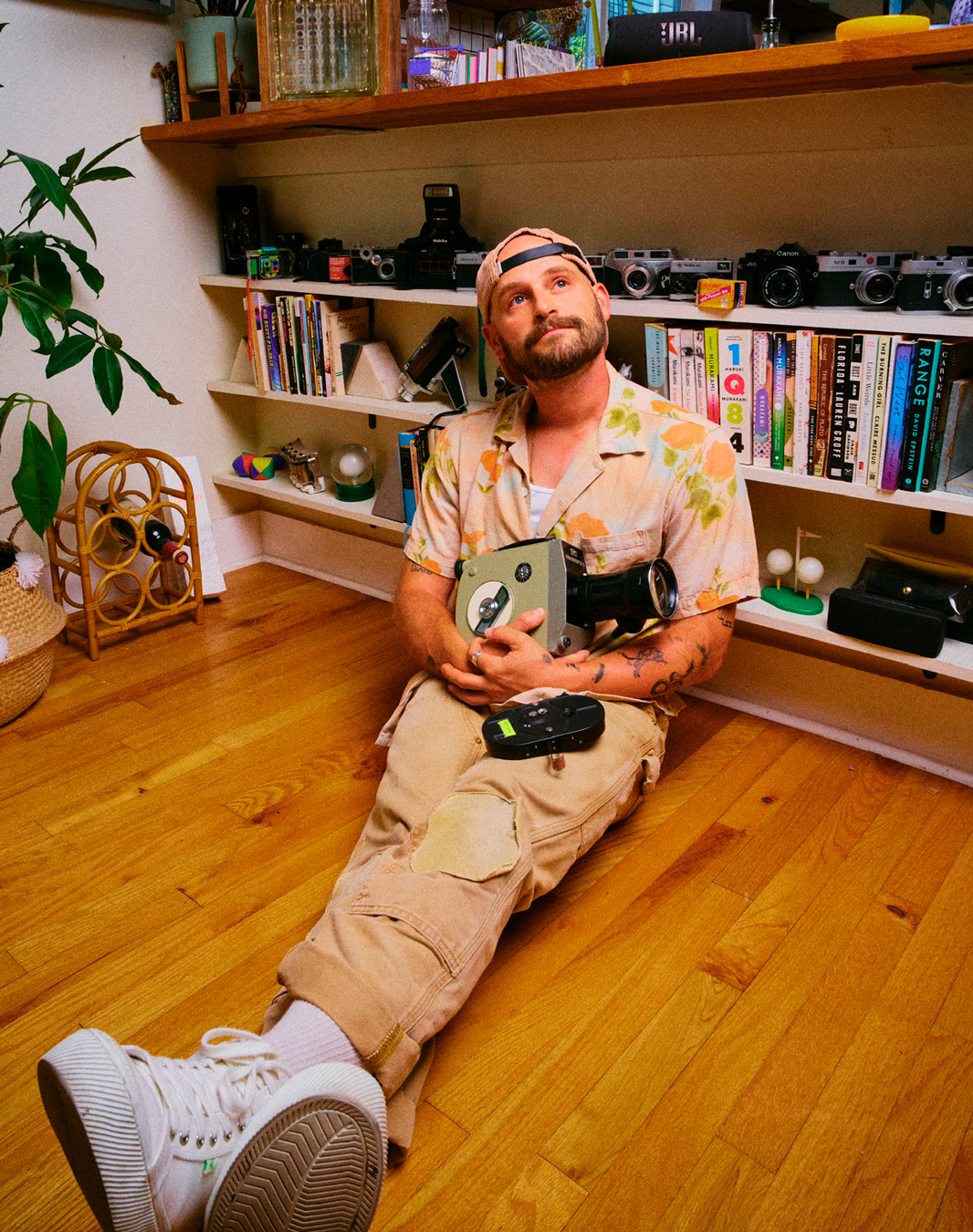
Joel Marsh is a director, writer, and Steadicam operator from Natick, Massachusetts. A graduate of USC’s School of Cinematic Arts, he was nominated for the Kodak directing Award and his short films have screened at festivals across the world including the Cannes Film Festival.
His last decade in Los Angeles has been spent writing and directing award-winning short films, as well as camera and Steadicam operating in TV and movies, earning him and his teams the Best Cinematography Emmy nominations for the Chef’s Table episodes “Corrado Assenza,” “Asma Khan,” and “Jamie Oliver,” as well as five nominations across the five seasons of Hacks.
Joel loves arcades, a good burger, and the feeling of staying out in the sun a bit too long.
David Daut
A writer and critic for more than a decade, David Daut specializes in analysis of genre cinema and immersive media. In addition to his work for Camera Operator and other publications, David is also the co-creator of Hollow Medium, a “recovered audio” ghost story podcast. David studied at the USC School of Cinematic Arts and works as a freelance writer based out of Long Beach, California.
SPECIAL THANKS TO OUR ADVERTISERS